
(ICUDPPI - 26) | Hybrid Event
26th - 27th June 2026 |
Amsterdam, Netherlands
(ICUDPPI - 26) | Hybrid Event
26th - 27th June 2026 |
Amsterdam, Netherlands
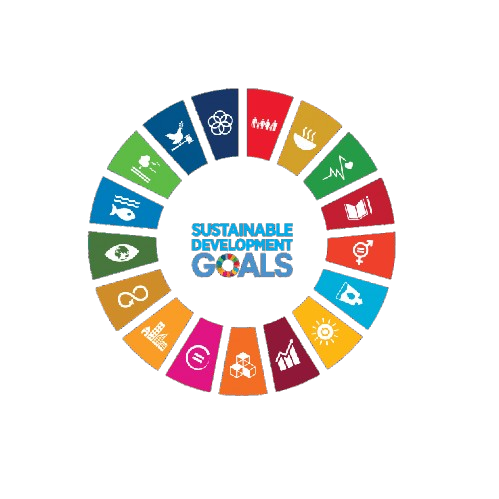
Aligned with
This conference contributes to global sustainability by aligning its research discussions and academic sessions with key United Nations Sustainable Development Goals. It fosters knowledge exchange, innovation, and collaborative engagement.
 SDG 1 — No Poverty
 SDG 3 — Good Health and Well-being
 SDG 4 — Quality Education
 SDG 5 — Gender Equality
 SDG 8 — Decent Work and Economic Growth
 SDG 9 — Industry, Innovation and Infrastructure
 SDG 10 — Reduced Inequalities
 SDG 11 — Sustainable Cities and Communities
 SDG 13 — Climate Action
 SDG 16 — Peace, Justice and Strong Institutions
This track explores novel strategies and methodologies for urban development that address contemporary challenges. Emphasis will be placed on interdisciplinary approaches that integrate technology, sustainability, and community engagement.
This session focuses on the multifaceted nature of poverty within urban settings, examining its causes, consequences, and potential solutions. Contributions are encouraged that highlight empirical research and case studies on urban poverty alleviation.
This track investigates innovative public policy frameworks aimed at fostering inclusive economic growth in urban areas. Participants will discuss the role of policy in addressing inequalities and promoting social justice.
This session will delve into the principles and practices of urban planning that prioritize sustainability and resilience. Papers are invited that address the integration of environmental considerations into urban policy and planning.
This track examines the interplay between human development indicators and urbanization processes. Contributions should focus on how urban environments can enhance or hinder human development outcomes.
This session addresses the intersection of civil rights and urban policy, exploring how policies can promote or impede social equity. Papers should analyze historical and contemporary case studies of civil rights movements within urban contexts.
This track focuses on the governance structures and challenges faced by urban areas in implementing effective policies. Discussions will include the role of local governments, community organizations, and public-private partnerships.
This session explores innovative financing mechanisms that support urban development projects, particularly in low-income areas. Papers should highlight successful case studies and models that leverage public and private investment.
This track examines the role of social justice movements in shaping urban policy and development. Contributions should focus on grassroots initiatives and their impact on urban governance and policy innovation.
This session addresses the critical need for urban resilience in the face of climate change. Papers should explore strategies for adapting urban infrastructure and policies to mitigate the impacts of environmental challenges.
This track focuses on methodologies for assessing the effectiveness of urban policies in achieving desired social and economic outcomes. Participants are encouraged to present empirical studies that evaluate policy impacts on urban communities.









SNRI maintains uninterrupted academic processes in the current global situation. Participants can engage and publish through online and blended conference formats.
PLEASE READ: CLOSING ENABLED IN 20S