
(ICEFGS - 26) | Hybrid Event
11th - 12th May 2026 |
Beijing, China
(ICEFGS - 26) | Hybrid Event
11th - 12th May 2026 |
Beijing, China
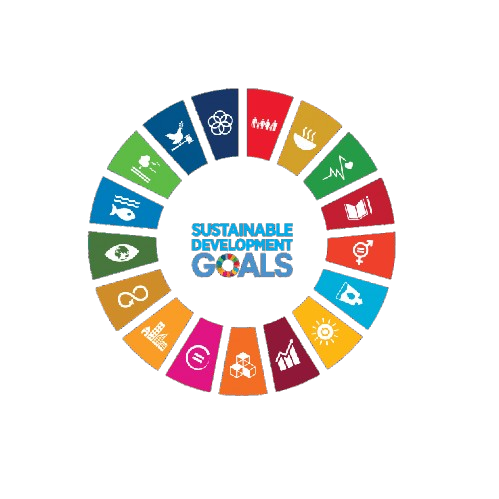
Aligned with
This conference contributes to global sustainability by aligning its research discussions and academic sessions with key United Nations Sustainable Development Goals. It fosters knowledge exchange, innovation, and collaborative engagement.
 SDG 3 — Good Health and Well-being
 SDG 4 — Quality Education
 SDG 5 — Gender Equality
 SDG 8 — Decent Work and Economic Growth
 SDG 10 — Reduced Inequalities
 SDG 12 — Responsible Consumption and Production
 SDG 13 — Climate Action
 SDG 16 — Peace, Justice and Strong Institutions
This track explores the foundational theories of feminist ethics, examining key philosophical texts and their implications for contemporary ethical discourse. Participants will engage with the works of prominent feminist philosophers and analyze their contributions to moral theory.
This session focuses on the intersections of gender and social justice, investigating how feminist perspectives can inform and transform social justice movements. Papers will address issues such as systemic inequality, representation, and activism.
This track delves into the complexities of identity through the lens of intersectionality, emphasizing how various social categories interact to shape individual experiences. Scholars will discuss the implications of intersectional analysis for feminist theory and practice.
This session examines the relationship between feminist philosophy and human rights, highlighting how feminist critiques can enhance our understanding of human rights frameworks. Contributions will focus on the role of gender in the formulation and application of human rights.
This track investigates how gender influences moral reasoning and ethical decision-making. Participants will explore diverse moral frameworks that incorporate feminist insights and challenge traditional ethical paradigms.
This session analyzes the portrayal of gender in various cultural contexts, including literature, media, and art. Papers will critique representations of femininity and masculinity and their impact on societal norms and values.
This track addresses the implications of globalization from a feminist perspective, focusing on how global economic and social changes affect gender relations. Scholars will explore feminist critiques of globalization and propose alternative frameworks for understanding its impact.
This session explores the ethics of care as a critical component of feminist ethics, emphasizing the moral significance of relationships and caregiving. Participants will discuss how care ethics can inform broader ethical discussions and social policies.
This track examines the intersection of feminist ethics and environmental philosophy, focusing on how gendered perspectives can contribute to ecological debates. Papers will explore the role of women in environmental activism and the implications for sustainability.
This session investigates the dynamics of power and representation in feminist theory, analyzing how these concepts shape social structures and individual identities. Contributions will focus on the implications of representation for political and social change.
This track addresses the relevance of feminist philosophy in contemporary societal issues, including politics, education, and public policy. Scholars will discuss how feminist thought can inform and challenge current practices and ideologies.













SNRI maintains uninterrupted academic processes in the current global situation. Participants can engage and publish through online and blended conference formats.
PLEASE READ: CLOSING ENABLED IN 20S