(ICMEACS - 26) | Hybrid Event
15th - 16th May 2026 |
Boston, USA
(ICMEACS - 26) | Hybrid Event
15th - 16th May 2026 |
Boston, USA
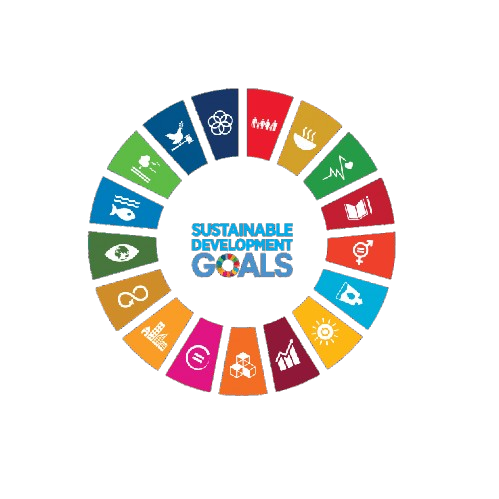
Aligned with
This conference contributes to global sustainability by aligning its research discussions and academic sessions with key United Nations Sustainable Development Goals. It fosters knowledge exchange, innovation, and collaborative engagement.
 SDG 3 — Good Health and Well-being
 SDG 4 — Quality Education
 SDG 8 — Decent Work and Economic Growth
 SDG 10 — Reduced Inequalities
 SDG 16 — Peace, Justice and Strong Institutions
This track explores the complex interplay between transnational migration and the formation of individual and collective identities. It seeks to understand how migration experiences shape cultural identities and influence social integration in host societies.
This session focuses on the role of cultural studies in understanding the dynamics of migration and cultural change. It emphasizes the importance of cultural narratives and representations in shaping public perceptions of migrants.
This track examines the principles and practices of multicultural education as a means to promote social cohesion in diverse societies. It investigates pedagogical approaches that foster inclusivity and respect for cultural differences.
This session addresses the unique educational challenges faced by refugee populations and highlights innovative practices that support their learning needs. It aims to share successful strategies for integrating refugee students into educational systems.
This track analyzes the impact of globalization on contemporary migration patterns and trends. It seeks to understand how economic, political, and social factors influence migration flows and the experiences of migrants.
This session investigates the barriers to educational access faced by migrant communities and the implications for social inequality. It aims to identify effective policies and practices that promote equitable educational opportunities.
This track delves into diaspora studies, focusing on the cultural connections and disconnections experienced by diasporic communities. It explores how these dynamics influence identity, belonging, and cultural preservation.
This session emphasizes the importance of intercultural education in fostering understanding and respect among diverse student populations. It highlights effective teaching strategies that promote intercultural dialogue and collaboration.
This track examines the psychological impacts of migration on individuals and families, focusing on mental health challenges and resilience. It aims to explore support systems and interventions that can enhance well-being among migrants.
This session analyzes education policies related to migration across different national contexts. It seeks to identify best practices and lessons learned that can inform policy development and implementation.
This track investigates the processes of cultural change that occur in host societies as a result of migration. It explores the implications of these changes for social integration and community cohesion.






SNRI maintains uninterrupted academic processes in the current global situation. Participants can engage and publish through online and blended conference formats.
PLEASE READ: CLOSING ENABLED IN 20S