
(ICCRAPCW - 26) | Hybrid Event
9th - 10th May 2026 |
Budapest, Hungary
(ICCRAPCW - 26) | Hybrid Event
9th - 10th May 2026 |
Budapest, Hungary
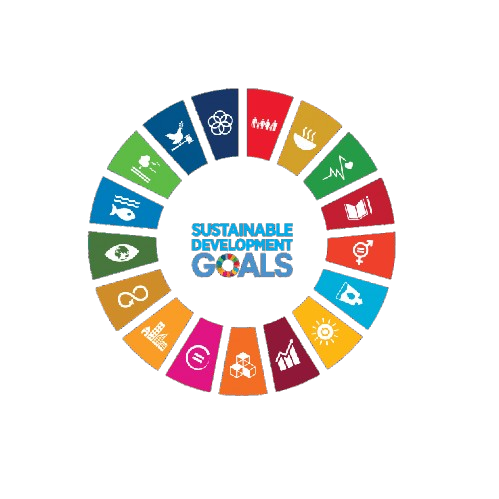
Aligned with
This conference contributes to global sustainability by aligning its research discussions and academic sessions with key United Nations Sustainable Development Goals. It fosters knowledge exchange, innovation, and collaborative engagement.
 SDG 3 — Good Health and Well-being
 SDG 6 — Clean Water and Sanitation
 SDG 11 — Sustainable Cities and Communities
 SDG 12 — Responsible Consumption and Production
 SDG 13 — Climate Action
 SDG 14 — Life Below Water
 SDG 15 — Life on Land
 SDG 16 — Peace, Justice and Strong Institutions
This session will explore innovative methodologies for assessing chemical risks associated with plastic-contaminated waters. Emphasis will be placed on integrating laboratory and field studies to enhance risk evaluation frameworks.
This track focuses on identifying the sources of microplastics and their subsequent impact on aquatic ecosystems. Discussions will include the pathways of microplastic pollution and their implications for environmental sustainability.
This session will delve into the toxicological effects of plastic pollutants on aquatic organisms. Presentations will highlight recent findings on the bioaccumulation and biomagnification of microplastics in food webs.
Participants will discuss advanced techniques for evaluating the chemical impacts of pollutants in plastic-contaminated waters. The focus will be on developing robust assessment criteria for water quality.
This track will present frameworks for conducting ecological risk assessments related to plastic pollution. Emphasis will be placed on integrating ecological data with chemical risk assessments.
This session will explore effective strategies for mitigating the risks associated with plastic pollution in aquatic environments. Case studies and policy recommendations will be discussed.
This track will address the regulatory frameworks governing chemical management in relation to plastic-contaminated waters. Discussions will focus on compliance, enforcement, and best practices.
Participants will share innovative techniques for assessing water quality in the context of plastic contamination. The session will highlight both traditional and novel analytical methods.
This session will investigate the potential health risks associated with microplastic exposure in aquatic environments. Presentations will focus on the pathways of human exposure and implications for public health.
This track will cover advanced analytical techniques for the detection and quantification of contaminants in plastic-polluted waters. Emphasis will be placed on improving accuracy and sensitivity in contaminant analysis.
This session will explore sustainable approaches to ensuring water safety in the face of plastic contamination. Discussions will include innovative technologies and community-based initiatives.







SNRI maintains uninterrupted academic processes in the current global situation. Participants can engage and publish through online and blended conference formats.
PLEASE READ: CLOSING ENABLED IN 20S