
(IWDMCC - 26) | Hybrid Event
22nd - 23rd May 2026 |
Budapest, Hungary
(IWDMCC - 26) | Hybrid Event
22nd - 23rd May 2026 |
Budapest, Hungary
Aligned with
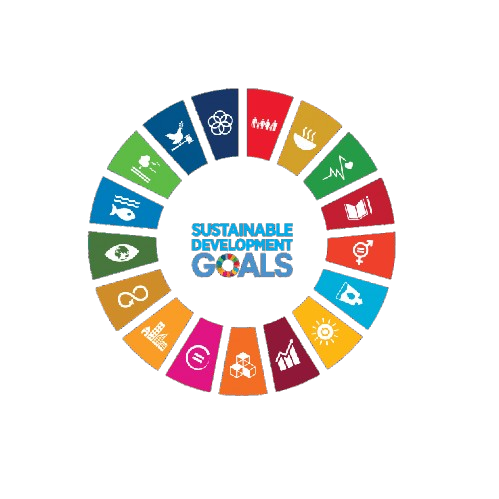
This conference contributes to global sustainability by aligning its research discussions and academic sessions with key United Nations Sustainable Development Goals. It fosters knowledge exchange, innovation, and collaborative engagement.
 SDG 3 — Good Health and Well-being
 SDG 4 — Quality Education
 SDG 8 — Decent Work and Economic Growth
 SDG 9 — Industry, Innovation and Infrastructure
 SDG 10 — Reduced Inequalities
 SDG 11 — Sustainable Cities and Communities
 SDG 16 — Peace, Justice and Strong Institutions
 SDG 17 — Partnerships for the Goals
This track focuses on the latest advancements in disaster medicine, emphasizing novel approaches to emergency response. Participants will explore cutting-edge technologies and methodologies that enhance patient care during crises.
This session will examine the pivotal role of critical care nursing in disaster scenarios. Discussions will include best practices, challenges faced, and strategies for effective patient management in high-stress environments.
This track addresses the complexities of managing mass casualty incidents, highlighting coordination among emergency services and healthcare providers. Participants will analyze case studies to identify successful strategies and areas for improvement.
This session will delve into established frameworks for crisis management within healthcare settings. Emphasis will be placed on developing adaptable protocols that can be implemented during various types of disasters.
This track will explore the intersection of critical illness management and disaster response. Experts will discuss tailored approaches to treating critically ill patients in resource-limited settings during emergencies.
This session will focus on the development and implementation of effective emergency medicine protocols in disaster situations. Participants will evaluate existing guidelines and propose enhancements based on recent experiences.
This track will highlight the importance of psychological first aid as a component of disaster response. Discussions will cover strategies for addressing mental health needs of victims and responders in crisis situations.
This session will explore the role of telemedicine in enhancing critical care delivery during disasters. Participants will assess the benefits and challenges of remote consultations and monitoring in emergency settings.
This track will examine the ethical dilemmas faced by healthcare professionals during disaster response. Discussions will focus on resource allocation, patient autonomy, and the moral responsibilities of providers.
This session will address the importance of training and simulation exercises in preparing healthcare teams for disaster scenarios. Participants will share insights on effective training methodologies and their impact on team performance.
This track will provide a platform for discussing global approaches to disaster response and critical care. Participants will share experiences and lessons learned from diverse healthcare systems around the world.









SNRI maintains uninterrupted academic processes in the current global situation. Participants can engage and publish through online and blended conference formats.
PLEASE READ: CLOSING ENABLED IN 20S