(ICLLTME - 26) | Hybrid Event
8th - 9th May 2026 |
Florence, Italy
(ICLLTME - 26) | Hybrid Event
8th - 9th May 2026 |
Florence, Italy
Aligned with
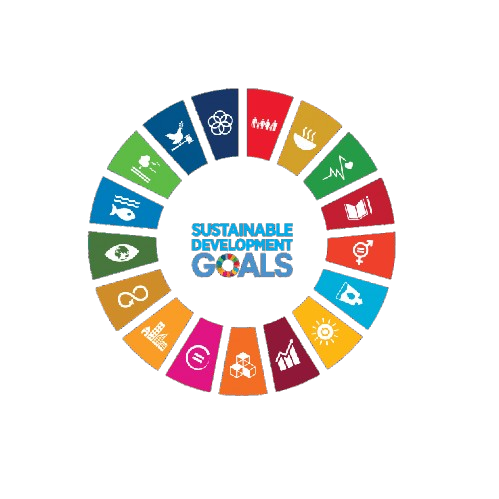
This conference contributes to global sustainability by aligning its research discussions and academic sessions with key United Nations Sustainable Development Goals. It fosters knowledge exchange, innovation, and collaborative engagement.
 SDG 4 — Quality Education
 SDG 9 — Industry, Innovation and Infrastructure
 SDG 10 — Reduced Inequalities
 SDG 11 — Sustainable Cities and Communities
 SDG 16 — Peace, Justice and Strong Institutions
This track explores the rich tapestry of languages spoken across the Middle East, examining their historical evolution and contemporary relevance. Papers may address issues of language preservation, revitalization, and the impact of globalization on linguistic practices.
This session focuses on the ways in which literature from the Middle East reflects and shapes cultural identities. Contributions may analyze narrative techniques, character development, and thematic explorations of identity in various literary forms.
This track invites discussions on the complexities of translating Middle Eastern texts, considering cultural nuances and linguistic barriers. Papers may highlight case studies of specific works or explore broader trends in translation theory and practice.
This session examines the significance of oral traditions and storytelling as vital components of cultural heritage in the Middle East. Contributions may investigate the role of oral narratives in preserving history, values, and communal identity.
This track analyzes how poetry serves as a medium for expressing social and political change in the Middle East. Papers may explore various poetic forms and their responses to contemporary issues, including conflict, identity, and resistance.
This session delves into the philosophical traditions that have emerged from the Middle East, examining their historical contexts and contemporary implications. Contributions may address themes such as ethics, metaphysics, and the intersection of philosophy with religion.
This track investigates the interplay between religious texts and literary expression in the Middle East. Papers may explore how religious narratives shape literary themes, character motivations, and cultural practices.
This session focuses on the tensions and synergies between cultural heritage and modernity in Middle Eastern societies. Contributions may analyze how traditional practices are adapted or resisted in the face of globalization and modernization.
This track encourages comparative analyses of narratives across different Middle Eastern cultures and languages. Papers may explore thematic similarities and differences, as well as the influence of historical and social contexts on storytelling.
This session examines the dynamics of communication in multilingual settings within the Middle East. Contributions may focus on the challenges of interpretation, intercultural dialogue, and the role of language in shaping social interactions.
This track explores how globalization influences literary production and reception in the Middle East. Papers may address themes of transnationalism, diaspora literature, and the negotiation of cultural identities in a globalized world.





SNRI maintains uninterrupted academic processes in the current global situation. Participants can engage and publish through online and blended conference formats.
PLEASE READ: CLOSING ENABLED IN 20S