
(ICPCEB - 26) | Hybrid Event
19th - 20th May 2026 |
Frankfurt, Germany
(ICPCEB - 26) | Hybrid Event
19th - 20th May 2026 |
Frankfurt, Germany
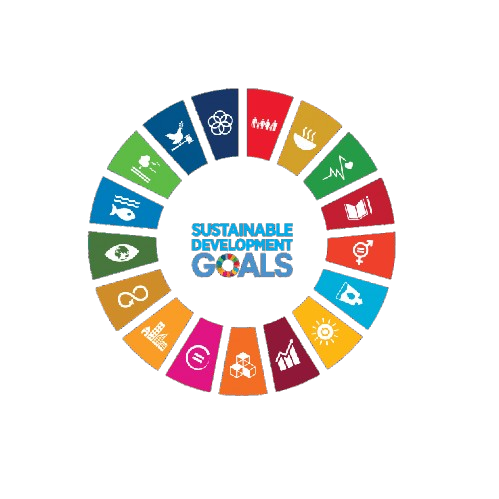
Aligned with
This conference contributes to global sustainability by aligning its research discussions and academic sessions with key United Nations Sustainable Development Goals. It fosters knowledge exchange, innovation, and collaborative engagement.
 SDG 9 — Industry, Innovation and Infrastructure
 SDG 12 — Responsible Consumption and Production
 SDG 13 — Climate Action
 SDG 14 — Life Below Water
 SDG 15 — Life on Land
 SDG 17 — Partnerships for the Goals
This track focuses on the latest developments in polymer chemistry, emphasizing innovative synthesis methods and characterization techniques. Researchers are encouraged to present their findings on novel polymer structures and functionalities.
This session will explore the sources, distribution, and ecological consequences of microplastics in various environments. Presentations will highlight research on the degradation pathways and the long-term effects on ecosystems and human health.
This track will examine recent advancements in the development of biodegradable polymers, focusing on their synthesis, properties, and practical applications. Participants are invited to discuss the challenges and opportunities in integrating these materials into various industries.
This session aims to delve into the chemical processes involved in the degradation of conventional plastics. Researchers will present studies on the mechanisms of plastic breakdown and potential solutions to enhance degradation rates.
This track will highlight the development of sustainable plastic alternatives, including bio-based and eco-friendly materials. Discussions will focus on the lifecycle assessment and environmental benefits of these innovative solutions.
This session will address the current challenges in polymer recycling, including technological, economic, and regulatory aspects. Participants are encouraged to share innovative approaches and case studies that enhance recycling efficiency and product quality.
This track will investigate the environmental fate of various polymers, focusing on their persistence, transport, and potential risks to ecosystems. Research presentations will include modeling studies and empirical data on polymer behavior in natural environments.
This session will showcase cutting-edge research on biopolymers, emphasizing their material properties and innovative applications. Participants will discuss the role of biopolymers in promoting sustainability and reducing environmental impact.
This track will explore the principles of circular economy as applied to polymer production and consumption. Presentations will focus on strategies for minimizing waste and maximizing resource efficiency in the polymer lifecycle.
This session will delve into the chemical interactions that govern the behavior of polymer systems, including blend compatibility and degradation mechanisms. Researchers are invited to present their findings on how these interactions affect material properties and performance.
This track will provide a platform for discussing future trends and research directions in polymer chemistry related to environmental sustainability. Participants will share visionary ideas and collaborative efforts aimed at addressing global environmental challenges through polymer innovation.








SNRI maintains uninterrupted academic processes in the current global situation. Participants can engage and publish through online and blended conference formats.
PLEASE READ: CLOSING ENABLED IN 20S