(ICFMPS - 26) | Hybrid Event
23rd - 24th May 2026 |
Milan, Italy
(ICFMPS - 26) | Hybrid Event
23rd - 24th May 2026 |
Milan, Italy
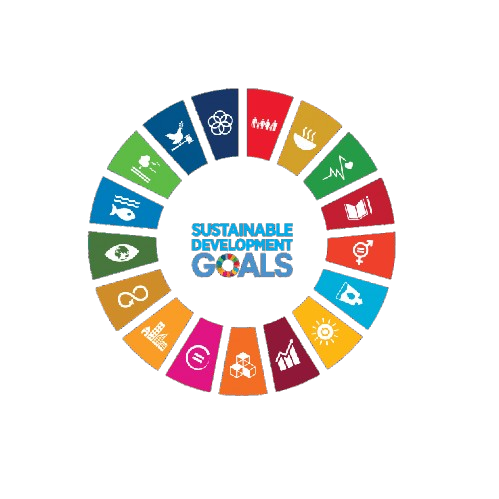
Aligned with
This conference contributes to global sustainability by aligning its research discussions and academic sessions with key United Nations Sustainable Development Goals. It fosters knowledge exchange, innovation, and collaborative engagement.
 SDG 3 — Good Health and Well-being
 SDG 4 — Quality Education
 SDG 8 — Decent Work and Economic Growth
 SDG 9 — Industry, Innovation and Infrastructure
 SDG 10 — Reduced Inequalities
 SDG 16 — Peace, Justice and Strong Institutions
 SDG 17 — Partnerships for the Goals
This track explores novel approaches and technologies that enhance the practice of family medicine. Emphasis will be placed on integrating innovative solutions to improve patient outcomes and streamline care delivery.
This session focuses on strategies to enhance patient safety within family medicine settings. Discussions will include risk management practices and the implementation of safety protocols to minimize clinical errors.
This track examines effective quality improvement initiatives in family medicine. Participants will share successful case studies and methodologies that have led to enhanced patient care and satisfaction.
This session highlights the importance of preventive interventions in family health. Key topics will include screening programs, vaccination strategies, and lifestyle modifications to reduce disease burden.
This track delves into the development and implementation of standardized care protocols in family medicine. Attendees will discuss evidence-based practices that ensure consistency and quality in patient care.
This session focuses on health system strategies that support family medicine practices. Topics will include resource allocation, policy development, and the role of family medicine in integrated health systems.
This track emphasizes the significance of patient-centered care in family medicine. Discussions will center on strategies to engage patients actively in their care and the impact on health outcomes.
This session addresses the importance of outcome monitoring in family medicine. Participants will explore methodologies for evaluating clinical outcomes and the implications for practice improvement.
This track highlights the benefits of multidisciplinary approaches in managing family health issues. Collaboration among healthcare professionals will be discussed as a means to enhance comprehensive patient care.
This session examines the challenges faced in educating future family medicine practitioners. Topics will include curriculum development, training methodologies, and the integration of patient safety in education.
This track focuses on the role of research and evidence-based practices in advancing family medicine. Participants will share findings from recent studies that inform clinical practice and policy decisions.







SNRI maintains uninterrupted academic processes in the current global situation. Participants can engage and publish through online and blended conference formats.
PLEASE READ: CLOSING ENABLED IN 20S