
(ICCBR - 26) | Hybrid Event
9th - 10th May 2026 |
New York, USA
(ICCBR - 26) | Hybrid Event
9th - 10th May 2026 |
New York, USA
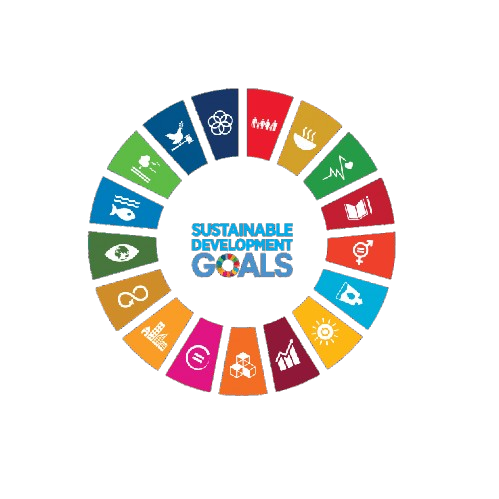
Aligned with
This conference contributes to global sustainability by aligning its research discussions and academic sessions with key United Nations Sustainable Development Goals. It fosters knowledge exchange, innovation, and collaborative engagement.
 SDG 3 — Good Health and Well-being
 SDG 4 — Quality Education
 SDG 10 — Reduced Inequalities
 SDG 16 — Peace, Justice and Strong Institutions
 SDG 17 — Partnerships for the Goals
This track explores the role of interfaith dialogue in fostering understanding and cooperation among diverse religious communities. It aims to highlight successful case studies and methodologies that promote peaceful coexistence.
This session focuses on how various religious teachings and practices can contribute to conflict transformation. Participants will examine the potential of faith-based approaches in resolving deep-rooted societal conflicts.
This track investigates the interplay between cultural understanding and religious tolerance in mitigating conflict. It seeks to identify strategies that enhance mutual respect and acceptance among different belief systems.
This session delves into the ethical frameworks provided by various religions regarding peace and conflict resolution. It aims to analyze how these ethical principles can inform contemporary peacebuilding efforts.
This track examines the effectiveness of faith-based mediation practices in resolving conflicts at local and global levels. It will feature discussions on the roles of religious leaders and institutions in mediating disputes.
This session explores how spiritual practices contribute to social harmony and community cohesion. It aims to highlight the transformative power of spirituality in addressing social conflicts.
This track analyzes how different belief systems influence conflict dynamics and resolutions. Participants will discuss the implications of these beliefs on social interactions and conflict escalation.
This session provides a historical overview of the relationship between religion and peace throughout different eras. It aims to uncover lessons learned from past conflicts and their resolutions influenced by religious factors.
This track focuses on the critical role that religious leaders play in peacebuilding initiatives. It will explore how their influence can mobilize communities towards reconciliation and healing.
This session examines how cultural identity and religious affiliation intersect to shape conflict narratives. It aims to foster discussions on the implications of these intersections for conflict resolution strategies.
This track highlights innovative approaches to fostering religious dialogue in diverse settings. Participants will share best practices and explore new methodologies for engaging in meaningful conversations across faiths.









SNRI maintains uninterrupted academic processes in the current global situation. Participants can engage and publish through online and blended conference formats.
PLEASE READ: CLOSING ENABLED IN 20S