
(IC-SMCS - 26) | Hybrid Event
25th - 26th May 2026 |
Paris, France
(IC-SMCS - 26) | Hybrid Event
25th - 26th May 2026 |
Paris, France
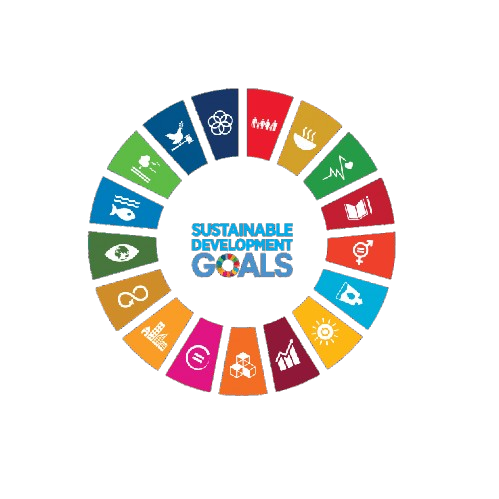
Aligned with
This conference contributes to global sustainability by aligning its research discussions and academic sessions with key United Nations Sustainable Development Goals. It fosters knowledge exchange, innovation, and collaborative engagement.
 SDG 4 — Quality Education
 SDG 8 — Decent Work and Economic Growth
 SDG 9 — Industry, Innovation and Infrastructure
 SDG 10 — Reduced Inequalities
 SDG 11 — Sustainable Cities and Communities
 SDG 16 — Peace, Justice and Strong Institutions
 SDG 17 — Partnerships for the Goals
This track explores the mechanisms through which social memory is constructed and maintained within communities. It seeks to understand the interplay between collective memory and individual narratives in shaping historical consciousness.
This session focuses on how cultural narratives influence identity formation across different societies. It examines the role of storytelling in the construction of personal and collective identities.
This track investigates the tensions and synergies between tradition and modernity throughout history. It aims to uncover how historical transformations have redefined cultural practices and social norms.
This session addresses the political dimensions of memory, including how states and institutions shape collective remembrance. It critically examines the implications of commemoration and the politics of forgetting in various contexts.
This track analyzes the impact of globalization on cultural heritage and local traditions. It seeks to understand how global forces interact with local identities and practices, leading to transformation and hybridization.
This session explores narratives that have played a transformative role in historical events and movements. It aims to highlight the power of storytelling in enacting social change and influencing public perception.
This track examines the relationship between heritage and memory in post-colonial contexts. It focuses on how former colonies negotiate their pasts and construct new identities through cultural practices.
This session investigates how digital technologies are reshaping social memory and collective narratives. It explores the implications of social media and online platforms for the preservation and dissemination of cultural memory.
This track highlights narratives of resistance and resilience in the face of oppression and adversity. It examines how marginalized communities utilize memory and storytelling to assert their identities and histories.
This session delves into the complex relationships between memory and political power. It seeks to understand how political agendas influence collective memory and the representation of historical events.
This track explores the significance of memory within the field of cultural studies. It examines theoretical frameworks and methodologies that address the interplay between memory, culture, and identity.







SNRI maintains uninterrupted academic processes in the current global situation. Participants can engage and publish through online and blended conference formats.
PLEASE READ: CLOSING ENABLED IN 20S