
(IC-ONCM - 26) | Hybrid Event
25th - 26th May 2026 |
Singapore, Singapore
(IC-ONCM - 26) | Hybrid Event
25th - 26th May 2026 |
Singapore, Singapore
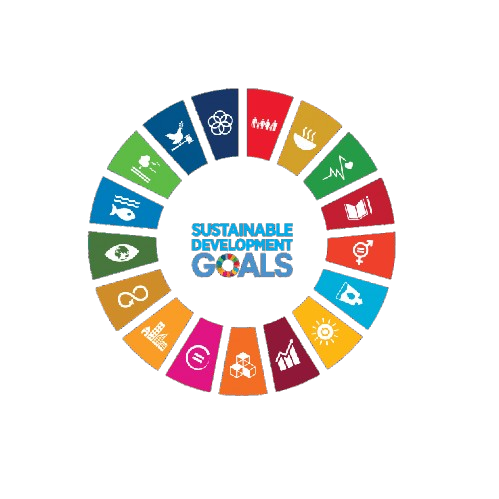
Aligned with
This conference contributes to global sustainability by aligning its research discussions and academic sessions with key United Nations Sustainable Development Goals. It fosters knowledge exchange, innovation, and collaborative engagement.
 SDG 4 — Quality Education
 SDG 5 — Gender Equality
 SDG 9 — Industry, Innovation and Infrastructure
 SDG 10 — Reduced Inequalities
 SDG 11 — Sustainable Cities and Communities
 SDG 16 — Peace, Justice and Strong Institutions
 SDG 17 — Partnerships for the Goals
This track explores how oral narratives contribute to the construction and expression of cultural identity within various communities. It seeks to understand the interplay between storytelling and the formation of collective memory.
This session examines the impact of globalization on traditional oral narratives and their evolution over time. It invites discussions on how cultural memory is preserved or altered in the face of modern influences.
This track focuses on the use of storytelling as a method for conveying historical events and experiences. It aims to highlight the significance of oral narratives in interpreting and understanding the past.
This session investigates the relationship between oral traditions and cultural heritage, emphasizing their role in historical narratives. Participants will explore how these elements coexist and inform societal values.
This track addresses the role of oral narratives in contexts of conflict and post-conflict reconciliation. It seeks to understand how storytelling can facilitate healing and the reconstruction of communal identities.
This session highlights the significance of women's oral narratives in shaping historical discourse and cultural memory. It aims to uncover the unique perspectives and contributions of women through storytelling.
This track explores the impact of digital technology on the preservation and dissemination of oral narratives. It invites discussions on how new media can transform traditional storytelling practices.
This session examines how oral narratives serve as a means of preserving cultural memory among diasporic populations. It focuses on the ways in which identity is negotiated and expressed through storytelling.
This track investigates the role of folklore in shaping historical memory and its relevance in contemporary society. Participants will discuss how traditional stories inform current cultural identities.
This session addresses the ethical considerations surrounding the telling of oral narratives, particularly in relation to cultural ownership and representation. It aims to foster dialogue on the responsibilities of storytellers.
This track encourages interdisciplinary dialogue among scholars from various fields to explore oral narratives and cultural memory. It seeks to integrate perspectives from history, anthropology, sociology, and literature.







SNRI maintains uninterrupted academic processes in the current global situation. Participants can engage and publish through online and blended conference formats.
PLEASE READ: CLOSING ENABLED IN 20S