
(ICIDPS - 26) | Hybrid Event
8th - 9th May 2026 |
Toronto, Canada
(ICIDPS - 26) | Hybrid Event
8th - 9th May 2026 |
Toronto, Canada
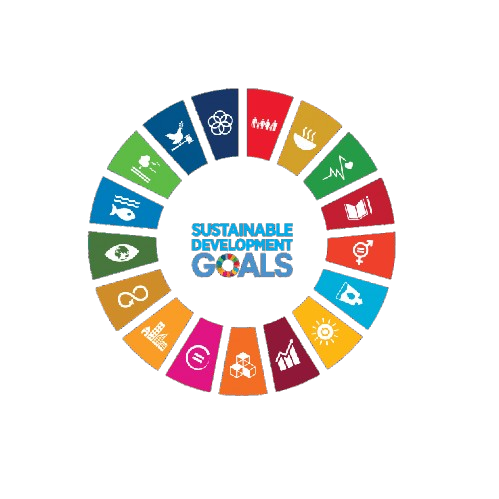
Aligned with
This conference contributes to global sustainability by aligning its research discussions and academic sessions with key United Nations Sustainable Development Goals. It fosters knowledge exchange, innovation, and collaborative engagement.
 SDG 3 — Good Health and Well-being
 SDG 4 — Quality Education
 SDG 6 — Clean Water and Sanitation
 SDG 9 — Industry, Innovation and Infrastructure
 SDG 10 — Reduced Inequalities
 SDG 11 — Sustainable Cities and Communities
 SDG 13 — Climate Action
 SDG 14 — Life Below Water
 SDG 15 — Life on Land
 SDG 16 — Peace, Justice and Strong Institutions
 SDG 17 — Partnerships for the Goals
This track will explore the latest trends in the epidemiology of infectious diseases, focusing on emerging and re-emerging pathogens. Participants will discuss methodologies for tracking disease spread and the implications for public health interventions.
This session will highlight innovative strategies and technologies in vaccination campaigns aimed at increasing coverage and public acceptance. Discussions will include case studies of successful initiatives and the role of community engagement.
This track will focus on effective outbreak response strategies, including rapid assessment and containment measures. Experts will share experiences from recent outbreaks and discuss frameworks for improving response coordination.
This session will address biosecurity measures essential for preventing the introduction and spread of infectious diseases. Topics will include risk assessment protocols and the role of international collaboration in biosecurity efforts.
This track will examine the intersection of public health policy and infectious disease control, focusing on policy development and implementation. Participants will analyze case studies to identify best practices and lessons learned.
This session will explore effective health communication strategies that enhance public understanding and compliance during infectious disease outbreaks. Emphasis will be placed on the role of media and technology in disseminating critical information.
This track will investigate the relationship between environmental health factors and the emergence of infectious diseases. Discussions will include the impact of climate change and urbanization on disease transmission patterns.
This session will focus on the challenges posed by zoonotic diseases and the strategies for mitigating their impact on public health. Experts will discuss surveillance, prevention, and control measures in both human and animal populations.
This track will highlight successful community health initiatives aimed at preventing infectious diseases. Participants will share insights on community engagement, education, and the role of local organizations in health promotion.
This session will delve into methodologies for conducting risk assessments during infectious disease outbreaks. Participants will discuss frameworks for evaluating risk factors and prioritizing response efforts.
This track will reflect on the lessons learned from recent pandemics, focusing on management strategies and their effectiveness. Discussions will include the importance of preparedness and the need for adaptive public health policies.









SNRI maintains uninterrupted academic processes in the current global situation. Participants can engage and publish through online and blended conference formats.
PLEASE READ: CLOSING ENABLED IN 20S