
(ICAEPH - 26) | Hybrid Event
8th - 9th May 2026 |
Vienna, Austria
(ICAEPH - 26) | Hybrid Event
8th - 9th May 2026 |
Vienna, Austria
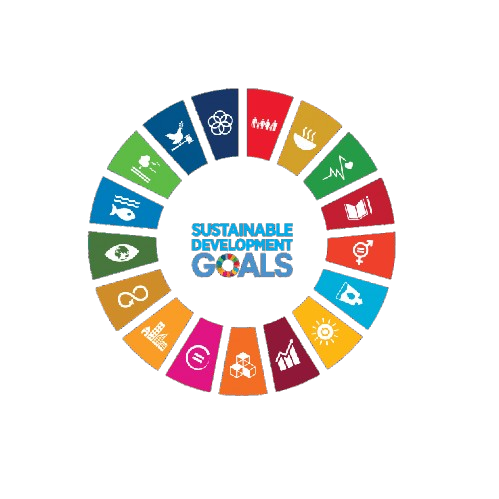
Aligned with
This conference contributes to global sustainability by aligning its research discussions and academic sessions with key United Nations Sustainable Development Goals. It fosters knowledge exchange, innovation, and collaborative engagement.
 SDG 3 — Good Health and Well-being
 SDG 4 — Quality Education
 SDG 9 — Industry, Innovation and Infrastructure
 SDG 10 — Reduced Inequalities
 SDG 11 — Sustainable Cities and Communities
 SDG 16 — Peace, Justice and Strong Institutions
 SDG 17 — Partnerships for the Goals
This track focuses on novel methodologies and technologies that enhance the practice of applied epidemiology. Participants will explore case studies and research that demonstrate innovative approaches to disease tracking and prevention.
This session will examine the effectiveness of various public health interventions aimed at disease prevention. Discussions will include evaluation metrics and the impact of these interventions on community health outcomes.
This track will delve into the intersection of health policy and epidemiological research, highlighting how data-driven policies can improve public health. Participants will analyze case studies that showcase successful policy implementations based on epidemiological findings.
This session will cover advanced techniques in disease surveillance, including real-time data collection and analysis. Attendees will learn about the importance of surveillance in controlling outbreaks and informing public health responses.
This track will focus on the application of biostatistical methods in public health research. Participants will discuss statistical models and their relevance in interpreting health data and informing epidemiological studies.
This session will explore the relationship between healthcare quality and epidemiological insights. Discussions will center on how epidemiological data can inform quality improvement initiatives in healthcare settings.
This track will highlight the role of data analytics and visualization in understanding public health trends. Participants will learn about tools and techniques for effectively communicating health data to diverse audiences.
This session will address pressing global health challenges through the lens of epidemiology. Participants will engage in discussions about emerging infectious diseases and the role of epidemiology in global health security.
This track will focus on community-based approaches to epidemiology, emphasizing the importance of local engagement in public health initiatives. Participants will share successful models that leverage community resources for disease prevention.
This session will explore ethical considerations in epidemiological research, including informed consent and data privacy. Attendees will engage in discussions about balancing research needs with ethical obligations to participants.
This track will examine emerging trends and future directions in epidemiology and public health. Participants will discuss the implications of technological advancements and changing health landscapes on the field.











SNRI maintains uninterrupted academic processes in the current global situation. Participants can engage and publish through online and blended conference formats.
PLEASE READ: CLOSING ENABLED IN 20S