
(ICWBES - 26) | Hybrid Event
1st - 2nd June 2026 |
Venice, Italy
(ICWBES - 26) | Hybrid Event
1st - 2nd June 2026 |
Venice, Italy
Aligned with
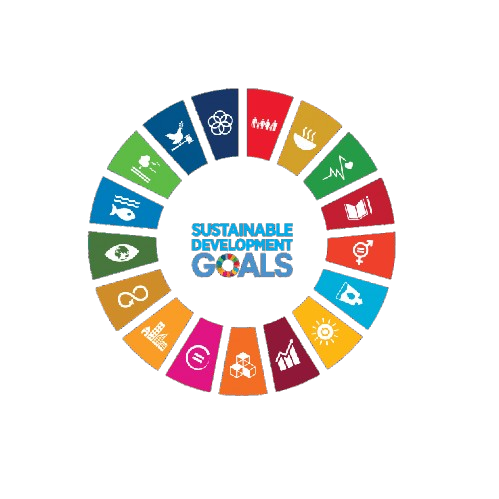
This conference contributes to global sustainability by aligning its research discussions and academic sessions with key United Nations Sustainable Development Goals. It fosters knowledge exchange, innovation, and collaborative engagement.
 SDG 2 — Zero Hunger
 SDG 6 — Clean Water and Sanitation
 SDG 11 — Sustainable Cities and Communities
 SDG 12 — Responsible Consumption and Production
 SDG 13 — Climate Action
 SDG 15 — Life on Land
This track focuses on novel methodologies for assessing water balance in various ecosystems. Emphasis will be placed on integrating remote sensing and field data to enhance accuracy in water balance studies.
This session will explore the latest advancements in measuring and modeling evapotranspiration. Discussions will include the role of vegetation and climate variables in influencing evapotranspiration rates.
This track will delve into the complexities of soil moisture dynamics and its critical role in hydrological processes. Presentations will cover both field studies and modeling approaches to understand soil moisture variability.
This session aims to present cutting-edge research on precipitation modeling and forecasting. Participants will discuss the challenges and advancements in predicting precipitation patterns under changing climatic conditions.
This track will address the mechanisms of groundwater recharge and the importance of sustainable management practices. Case studies highlighting successful recharge strategies will be featured.
This session will focus on recent developments in catchment hydrology, including hydrological modeling and runoff analysis. The impact of land use changes and climate variability on catchment processes will be discussed.
This track will examine the effects of climate change on hydrological processes, including altered precipitation patterns and increased evaporation rates. Research findings on adaptive management strategies will also be presented.
This session will highlight innovative irrigation management practices aimed at improving water use efficiency. Discussions will include the integration of technology and sustainable practices in agricultural water management.
This track will focus on methodologies for monitoring drought conditions and effective mitigation strategies. Participants will share insights on early warning systems and adaptive management techniques.
This session will explore the interactions between surface water and groundwater systems. Emphasis will be placed on understanding these dynamics for effective water resource management.
This track will discuss frameworks for assessing sustainability in water resource management practices. Case studies will illustrate the integration of ecological, social, and economic factors in sustainability assessments.









SNRI maintains uninterrupted academic processes in the current global situation. Participants can engage and publish through online and blended conference formats.
PLEASE READ: CLOSING ENABLED IN 20S