(ICLSPD - 26) | Hybrid Event
30th - 31st August 2026 |
Berlin, Germany
(ICLSPD - 26) | Hybrid Event
30th - 31st August 2026 |
Berlin, Germany
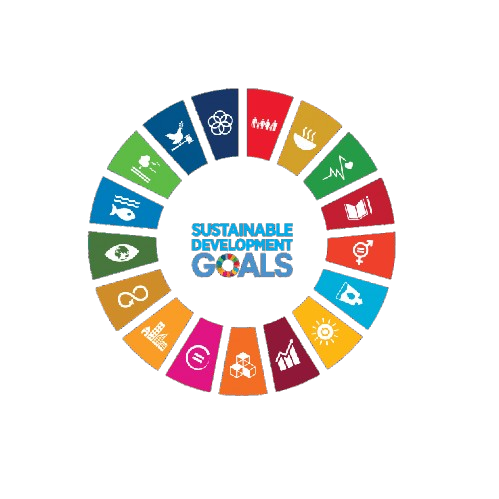
Aligned with
This conference contributes to global sustainability by aligning its research discussions and academic sessions with key United Nations Sustainable Development Goals. It fosters knowledge exchange, innovation, and collaborative engagement.
 SDG 4 — Quality Education
 SDG 5 — Gender Equality
 SDG 10 — Reduced Inequalities
 SDG 11 — Sustainable Cities and Communities
 SDG 16 — Peace, Justice and Strong Institutions
This track explores the intricate relationship between language and power in various societal contexts. It aims to analyze how linguistic practices shape and are shaped by power structures within communities.
This session focuses on the role of language in the construction and expression of cultural identities. Participants will examine how linguistic choices reflect and influence cultural affiliations and social belonging.
This track investigates the impact of public discourse on social change movements. It seeks to understand how language can mobilize communities and challenge existing societal norms.
This session addresses the representation of marginalized groups in language and media. It aims to critique the linguistic strategies employed in public narratives and their implications for social justice.
This track delves into the intersection of sociolinguistics and identity politics. It examines how language is used to negotiate, assert, and contest identities within political contexts.
This session focuses on communication strategies employed in multilingual societies. Participants will explore how individuals navigate linguistic diversity and the implications for social cohesion.
This track investigates the effects of globalization on language and cultural practices. It aims to analyze how global communication trends influence local languages and cultural identities.
This session examines the pivotal role of language in social movements throughout history. It seeks to highlight how rhetoric and discourse shape collective action and societal transformation.
This track explores the politics of representation through language in various contexts. It aims to analyze how language constructs narratives that influence public perception and policy.
This session focuses on the sociolinguistic dynamics of public spaces and their impact on community interactions. Participants will explore how language use in these spaces reflects and shapes social relations.
This track investigates the interplay between language, emotion, and public discourse. It aims to understand how emotional language influences public opinion and societal attitudes.



SNRI maintains uninterrupted academic processes in the current global situation. Participants can engage and publish through online and blended conference formats.
PLEASE READ: CLOSING ENABLED IN 20S