
(ICODML - 26) | Hybrid Event
20th - 21st August 2026 |
Miami, USA
(ICODML - 26) | Hybrid Event
20th - 21st August 2026 |
Miami, USA
Aligned with
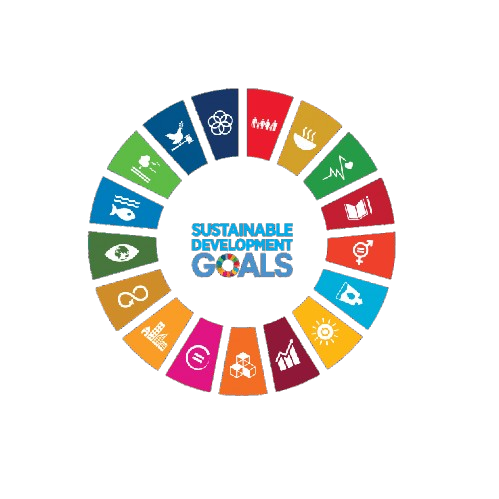
This conference contributes to global sustainability by aligning its research discussions and academic sessions with key United Nations Sustainable Development Goals. It fosters knowledge exchange, innovation, and collaborative engagement.
 SDG 9 — Industry, Innovation and Infrastructure
 SDG 13 — Climate Action
 SDG 14 — Life Below Water
 SDG 15 — Life on Land
This track will explore the underlying physical and chemical processes contributing to ocean deoxygenation. Emphasis will be placed on the role of nutrient dynamics and biogeochemical cycles in shaping oxygen minimum zones.
This session will investigate the effects of hypoxic conditions on marine life, focusing on species distribution, population dynamics, and ecosystem health. Presentations will highlight case studies and experimental findings related to biodiversity loss in affected regions.
This track will address the relationship between climate change and trends in oceanic oxygen levels. Researchers will present data on how rising temperatures and altered precipitation patterns affect oxygen availability in marine environments.
This session will delve into the role of sediment oxygen demand in marine ecosystems and its implications for hypoxia. Discussions will include methodologies for measuring sediment oxygen consumption and its impact on benthic communities.
This track will showcase innovative monitoring techniques and technologies used to assess ocean deoxygenation. Presentations will cover remote sensing, in-situ measurements, and modeling approaches to track changes in oxygen levels.
This session will focus on how marine ecosystems respond to various environmental stressors, including deoxygenation and climate change. Researchers will present findings on resilience, adaptation, and shifts in community structure.
This track will explore the physiological and behavioral responses of fish populations to low-oxygen conditions. Studies will highlight species-specific adaptations and the implications for fisheries management.
This session will discuss conservation strategies aimed at mitigating the impacts of hypoxia on marine ecosystems. Emphasis will be placed on adaptive management practices and stakeholder engagement in conservation efforts.
This track will focus on the development and application of predictive models to forecast trends in ocean deoxygenation. Presentations will include model validation, scenario analysis, and implications for marine resource management.
This session will examine the anthropogenic factors influencing marine oxygen dynamics, including nutrient runoff and pollution. Researchers will present evidence of human impacts on oxygen levels and associated ecological consequences.
This track will investigate the relationship between habitat degradation and its effects on marine life, particularly in the context of deoxygenation. Discussions will include restoration efforts and the importance of habitat conservation for maintaining biodiversity.








SNRI maintains uninterrupted academic processes in the current global situation. Participants can engage and publish through online and blended conference formats.
PLEASE READ: CLOSING ENABLED IN 20S