
(ICESYPH - 26) | Hybrid Event
19th - 20th August 2026 |
Venice, Italy
(ICESYPH - 26) | Hybrid Event
19th - 20th August 2026 |
Venice, Italy
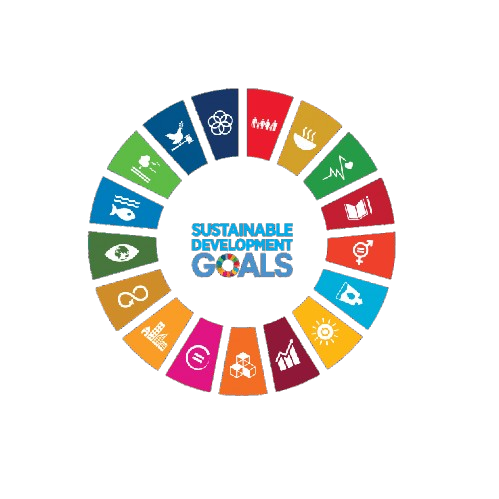
Aligned with
This conference contributes to global sustainability by aligning its research discussions and academic sessions with key United Nations Sustainable Development Goals. It fosters knowledge exchange, innovation, and collaborative engagement.
 SDG 3 — Good Health and Well-being
 SDG 6 — Clean Water and Sanitation
 SDG 9 — Industry, Innovation and Infrastructure
 SDG 10 — Reduced Inequalities
 SDG 11 — Sustainable Cities and Communities
 SDG 12 — Responsible Consumption and Production
 SDG 13 — Climate Action
 SDG 14 — Life Below Water
 SDG 15 — Life on Land
 SDG 17 — Partnerships for the Goals
This session will explore cutting-edge technologies and methodologies aimed at reducing pollution in urban and rural environments. Emphasis will be placed on case studies demonstrating successful implementation of pollution control measures.
Participants will discuss the multifaceted impacts of climate change on public health, including the emergence of new diseases and the exacerbation of existing health conditions. The session aims to highlight the importance of integrating climate resilience into public health strategies.
This track will examine the role of environmental health in achieving the Sustainable Development Goals (SDGs). Discussions will focus on policy frameworks that promote health equity and environmental sustainability.
This session will address the relationship between air quality and health outcomes, emphasizing the need for effective air quality management strategies. Research findings on the health impacts of air pollution will be presented and discussed.
Participants will explore the critical link between water quality and ecosystem health, including the implications for human health. The session will feature innovative approaches to monitoring and improving water quality.
This track will focus on the role of environmental interventions in disease prevention and health promotion. Case studies will illustrate successful initiatives that have reduced disease incidence through environmental improvements.
This session will delve into the challenges of sanitation in various contexts and its direct impact on public health. Innovative solutions and best practices for improving sanitation will be shared.
Participants will discuss the importance of ecosystem health and biodiversity conservation in promoting sustainable development. The session will highlight strategies for integrating biodiversity considerations into public health policies.
This track will present the latest tools and techniques for environmental monitoring, focusing on their applications in public health. The importance of data-driven decision-making in environmental policy will be emphasized.
This session will explore the intersection of community health and environmental sustainability, highlighting grassroots initiatives that promote health and well-being. Discussions will focus on community engagement and participatory approaches.
Participants will examine methodologies for risk assessment in environmental health, including the evaluation of exposure pathways and health outcomes. The session aims to foster dialogue on improving risk assessment practices for better public health protection.











SNRI maintains uninterrupted academic processes in the current global situation. Participants can engage and publish through online and blended conference formats.
PLEASE READ: CLOSING ENABLED IN 20S