(ICEHPSE - 26) | Hybrid Event
11th - 12th June 2026 |
Oran, Algeria
(ICEHPSE - 26) | Hybrid Event
11th - 12th June 2026 |
Oran, Algeria
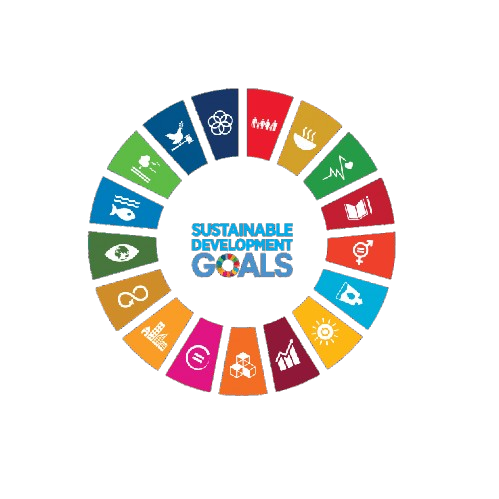
Aligned with
This conference contributes to global sustainability by aligning its research discussions and academic sessions with key United Nations Sustainable Development Goals. It fosters knowledge exchange, innovation, and collaborative engagement.
 SDG 1 — No Poverty
 SDG 3 — Good Health and Well-being
 SDG 4 — Quality Education
 SDG 6 — Clean Water and Sanitation
 SDG 8 — Decent Work and Economic Growth
 SDG 9 — Industry, Innovation and Infrastructure
 SDG 10 — Reduced Inequalities
 SDG 16 — Peace, Justice and Strong Institutions
 SDG 17 — Partnerships for the Goals
This track explores the economic principles underpinning education systems and their impact on human capital development. It will examine the relationship between educational investment and economic outcomes, including productivity and income inequality.
This session focuses on the economic evaluation of public health policies and interventions aimed at improving population health. Participants will discuss methodologies for assessing cost-effectiveness and the implications for public health funding.
This track investigates the economic theories related to government spending and its effects on public welfare. Discussions will center on the efficiency and effectiveness of public expenditure in various sectors.
This session examines the interplay between fiscal policy decisions and economic growth trajectories. It will highlight case studies and empirical evidence that illustrate the impact of government fiscal strategies on macroeconomic performance.
This track delves into the concept of social investment as a means to foster sustainable economic development. Participants will explore innovative policies that enhance social welfare while promoting economic resilience.
This session addresses the role of public finance in mitigating economic inequality. Discussions will focus on taxation, redistribution policies, and their effectiveness in promoting equitable economic growth.
This track provides a platform for analyzing welfare policies and their socio-economic impacts. Participants will share research findings on the effectiveness of various welfare programs in improving quality of life.
This session explores innovative approaches to the delivery and management of public services. Discussions will include the role of technology and public-private partnerships in enhancing service efficiency.
This track focuses on the economic policies that drive development in emerging economies. Participants will analyze case studies that highlight successful strategies and the challenges faced in implementation.
This session investigates the relationship between public expenditure and economic growth. It will explore how strategic government spending can catalyze growth and improve public welfare.
This track discusses the methodologies and challenges associated with evaluating public policies in economics. Participants will share insights on best practices for conducting rigorous policy assessments.








SNRI maintains uninterrupted academic processes in the current global situation. Participants can engage and publish through online and blended conference formats.
PLEASE READ: CLOSING ENABLED IN 20S