
(ICJJYCR - 26) | Hybrid Event
30th - 31st May 2026 |
Calgary, Canada
(ICJJYCR - 26) | Hybrid Event
30th - 31st May 2026 |
Calgary, Canada
Aligned with
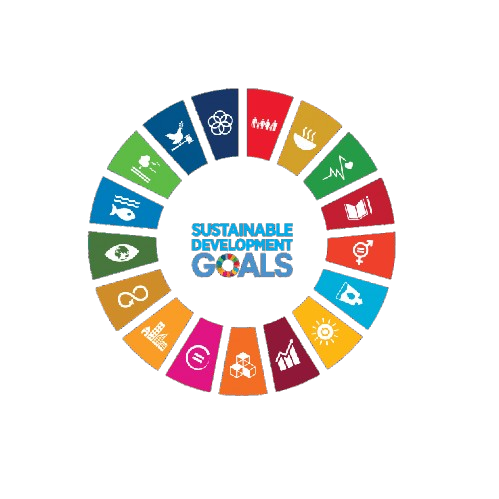
This conference contributes to global sustainability by aligning its research discussions and academic sessions with key United Nations Sustainable Development Goals. It fosters knowledge exchange, innovation, and collaborative engagement.
 SDG 1 — No Poverty
 SDG 3 — Good Health and Well-being
 SDG 4 — Quality Education
 SDG 8 — Decent Work and Economic Growth
 SDG 10 — Reduced Inequalities
 SDG 11 — Sustainable Cities and Communities
 SDG 16 — Peace, Justice and Strong Institutions
This track will explore contemporary innovations in juvenile justice systems, focusing on effective legal frameworks and practices. Participants will discuss the implications of these innovations for youth offenders and the broader community.
This session will analyze current trends in youth crime, examining the socio-economic and cultural factors that contribute to juvenile delinquency. Researchers will present empirical studies that highlight the changing landscape of youth crime.
This track will focus on evidence-based rehabilitation strategies tailored for juvenile offenders. Discussions will center on the effectiveness of various programs and interventions in promoting positive outcomes.
This session will address the challenges faced by juvenile courts in administering justice for young offenders. Experts will share insights on best practices and potential reforms to enhance the effectiveness of juvenile court systems.
This track will delve into restorative practices as an alternative approach to traditional punitive measures in juvenile justice. Participants will evaluate the impact of these practices on youth rehabilitation and community healing.
This session will examine the legal protections afforded to youth within the juvenile justice system. Discussions will focus on the balance between accountability and the rights of young offenders.
This track will highlight the role of community-based programs in the rehabilitation of juvenile offenders. Participants will discuss successful models and the importance of community involvement in supporting at-risk youth.
This session will explore best practices in juvenile sentencing, including alternatives to incarceration. Experts will discuss the implications of various sentencing approaches on youth rehabilitation.
This track will focus on the role of educational interventions in preventing juvenile delinquency. Researchers will present findings on the effectiveness of educational programs in reducing youth crime.
This session will address the need for policy development and reform in juvenile justice. Participants will discuss current policies and propose innovative solutions to improve outcomes for youth offenders.
This track will explore the integration of social work principles within the juvenile justice system. Discussions will focus on collaborative approaches that enhance rehabilitation and support for youth offenders.













SNRI maintains uninterrupted academic processes in the current global situation. Participants can engage and publish through online and blended conference formats.
PLEASE READ: CLOSING ENABLED IN 20S