
(ICESGR - 26) | Hybrid Event
19th - 20th May 2026 |
Alajuela, Costa Rica
(ICESGR - 26) | Hybrid Event
19th - 20th May 2026 |
Alajuela, Costa Rica
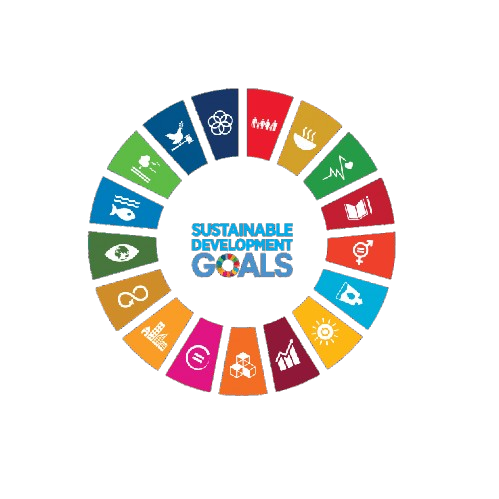
Aligned with
This conference contributes to global sustainability by aligning its research discussions and academic sessions with key United Nations Sustainable Development Goals. It fosters knowledge exchange, innovation, and collaborative engagement.
 SDG 1 — No Poverty
 SDG 4 — Quality Education
 SDG 9 — Industry, Innovation and Infrastructure
 SDG 10 — Reduced Inequalities
 SDG 11 — Sustainable Cities and Communities
 SDG 12 — Responsible Consumption and Production
 SDG 13 — Climate Action
 SDG 15 — Life on Land
 SDG 16 — Peace, Justice and Strong Institutions
 SDG 17 — Partnerships for the Goals
This track focuses on the methodologies and frameworks for incorporating climate change variables into geographic research. Participants will explore case studies that illustrate the impact of climate change on various geographical landscapes and communities.
This session examines how different societies adapt to environmental challenges, including climate change and resource depletion. Discussions will highlight the role of social structures and cultural practices in shaping responses to sustainability issues.
This track investigates the effectiveness of existing policy frameworks in promoting environmental sustainability. Participants will analyze case studies that demonstrate the interplay between governance, policy, and ecological outcomes.
This session addresses the unique challenges and strategies for ecological conservation in urban settings. It will explore innovative approaches to integrating green spaces and biodiversity within urban planning.
This track focuses on the strategies employed by vulnerable communities to manage risks associated with environmental changes. Participants will discuss adaptation techniques that enhance resilience and sustainability.
This session highlights the application of Geographic Information Systems (GIS) in analyzing environmental data. Participants will share insights on how GIS technologies can inform policy and decision-making for sustainable practices.
This track explores how cultural beliefs and values influence perceptions and practices related to environmental sustainability. Discussions will focus on the role of indigenous knowledge and local traditions in conservation efforts.
This session examines the impact of educational initiatives on fostering environmental governance and sustainability. Participants will discuss best practices for integrating environmental education into curricula at various educational levels.
This track focuses on the importance of community involvement in conservation initiatives. Participants will share successful models of community engagement that have led to enhanced environmental stewardship.
This session highlights recent technological advancements that contribute to sustainable geographic practices. Participants will explore how technology can facilitate better resource management and environmental monitoring.
This track investigates the global landscape of climate policy and governance, examining how different nations approach environmental challenges. Discussions will focus on international collaborations and the effectiveness of global agreements in promoting sustainability.












SNRI maintains uninterrupted academic processes in the current global situation. Participants can engage and publish through online and blended conference formats.
PLEASE READ: CLOSING ENABLED IN 20S