(ICWETEI - 26) | Hybrid Event
3rd - 4th June 2026 |
Skagen, Denmark
(ICWETEI - 26) | Hybrid Event
3rd - 4th June 2026 |
Skagen, Denmark
Aligned with
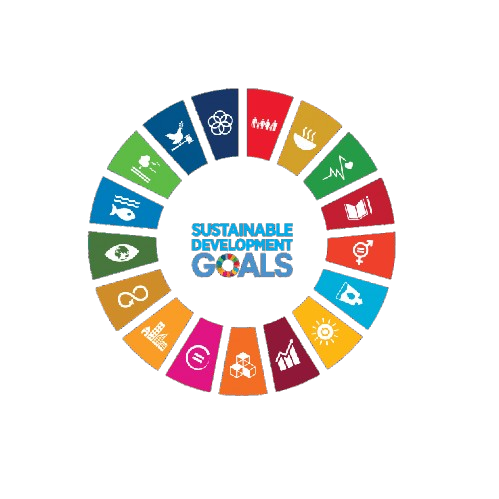
This conference contributes to global sustainability by aligning its research discussions and academic sessions with key United Nations Sustainable Development Goals. It fosters knowledge exchange, innovation, and collaborative engagement.
 SDG 7 — Affordable and Clean Energy
 SDG 9 — Industry, Innovation and Infrastructure
 SDG 11 — Sustainable Cities and Communities
 SDG 12 — Responsible Consumption and Production
 SDG 13 — Climate Action
 SDG 15 — Life on Land
 SDG 16 — Peace, Justice and Strong Institutions
 SDG 17 — Partnerships for the Goals
This track focuses on the latest advancements in waste-to-energy technologies, including incineration, gasification, and anaerobic digestion. Participants will explore the efficiency and effectiveness of these technologies in converting waste into renewable energy.
This session will delve into the potential of biomass as a sustainable energy source, examining various feedstocks and conversion processes. Discussions will highlight the environmental benefits and challenges associated with biomass energy production.
This track will explore the principles of circular energy systems, emphasizing the role of waste valorization in promoting sustainability. Participants will discuss innovative strategies for transforming waste into valuable resources.
This session aims to assess the environmental impacts associated with various waste management practices, including landfilling, recycling, and energy recovery. Researchers will present findings on emissions, resource depletion, and ecosystem effects.
This track will focus on the development and implementation of emissions control technologies in waste-to-energy facilities. Participants will discuss regulatory frameworks, technological innovations, and best practices for minimizing environmental impact.
This session will examine the intersection of sustainable development goals and effective waste management strategies. Discussions will highlight how waste-to-energy initiatives can contribute to achieving global sustainability targets.
This track will analyze existing policy frameworks that govern waste management and energy recovery practices. Participants will discuss the effectiveness of these policies in promoting sustainable waste conversion and energy generation.
This session will explore the role of community engagement in the successful implementation of waste-to-energy projects. Participants will share case studies and strategies for fostering public support and participation.
This track will highlight cutting-edge technological innovations that enhance energy recovery from waste. Participants will discuss advancements in process efficiency, resource recovery, and integration with renewable energy systems.
This session will focus on the application of life cycle assessment (LCA) methodologies to evaluate the sustainability of waste-to-energy systems. Participants will share insights on environmental performance, resource use, and potential trade-offs.
This track will explore emerging trends and future directions in waste management and renewable energy integration. Participants will discuss the implications of technological advancements and policy changes for the waste-to-energy sector.







SNRI maintains uninterrupted academic processes in the current global situation. Participants can engage and publish through online and blended conference formats.
PLEASE READ: CLOSING ENABLED IN 20S