(ICFMAI - 26) | Hybrid Event
26th - 27th May 2026 |
Marrakesh, Morocco
(ICFMAI - 26) | Hybrid Event
26th - 27th May 2026 |
Marrakesh, Morocco
Aligned with
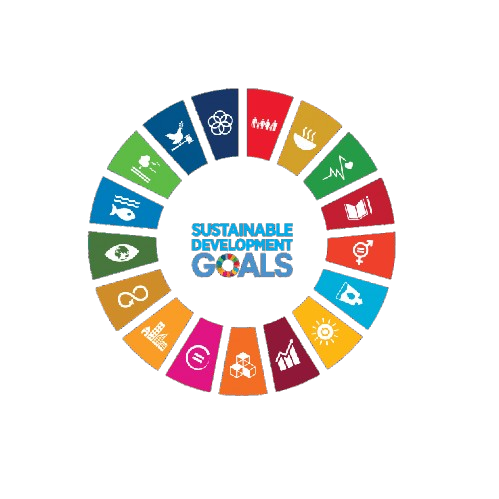
This conference contributes to global sustainability by aligning its research discussions and academic sessions with key United Nations Sustainable Development Goals. It fosters knowledge exchange, innovation, and collaborative engagement.
 SDG 1 — No Poverty
 SDG 2 — Zero Hunger
 SDG 6 — Clean Water and Sanitation
 SDG 8 — Decent Work and Economic Growth
 SDG 9 — Industry, Innovation and Infrastructure
 SDG 11 — Sustainable Cities and Communities
 SDG 12 — Responsible Consumption and Production
 SDG 14 — Life Below Water
 SDG 15 — Life on Land
 SDG 16 — Peace, Justice and Strong Institutions
 SDG 17 — Partnerships for the Goals
This track focuses on innovative approaches to sustainable aquaculture that minimize environmental impact while maximizing productivity. Participants will explore case studies and research that highlight successful integration of sustainability in aquaculture systems.
This session examines the synergies between fisheries and aquaculture, emphasizing integrated management practices that enhance resource efficiency. Discussions will include policy frameworks and practical implementations of integrated systems.
This track addresses the critical role of policy and governance in shaping aquaculture development. Experts will present insights on regulatory frameworks, stakeholder engagement, and governance models that promote sustainable practices.
This session highlights cutting-edge technologies and innovative practices in aquaculture that drive productivity and sustainability. Topics will include automation, biotechnology, and digital tools that enhance aquaculture operations.
This track delves into the economic implications of aquaculture, focusing on market trends, investment opportunities, and economic viability. Participants will analyze case studies that demonstrate successful economic models in aquaculture.
This session explores strategies for effective resource management in aquaculture, including water, feed, and genetic resources. Discussions will focus on optimizing resource use while ensuring ecological balance.
This track aims to establish and evaluate performance metrics for aquaculture systems, focusing on productivity, sustainability, and economic viability. Participants will share methodologies and best practices for assessing aquaculture performance.
This session investigates the complexities of aquaculture trade, including market access, supply chain management, and international trade policies. Experts will discuss how market dynamics influence aquaculture development and sustainability.
This track focuses on effective planning and management strategies in aquaculture, emphasizing long-term sustainability and productivity. Participants will share frameworks and tools for successful aquaculture management.
This session examines the intersection of fisheries sustainability and aquaculture, exploring how integrated approaches can enhance ecosystem health. Discussions will include best practices and policies that support sustainable fisheries and aquaculture.
This track explores the engineering aspects of aquaculture, including design, construction, and maintenance of aquaculture facilities. Participants will discuss innovations in infrastructure that support efficient and sustainable aquaculture operations.






SNRI maintains uninterrupted academic processes in the current global situation. Participants can engage and publish through online and blended conference formats.
PLEASE READ: CLOSING ENABLED IN 20S