(ICFSCVA - 26) | Hybrid Event
19th - 20th May 2026 |
Multan, Pakistan
(ICFSCVA - 26) | Hybrid Event
19th - 20th May 2026 |
Multan, Pakistan
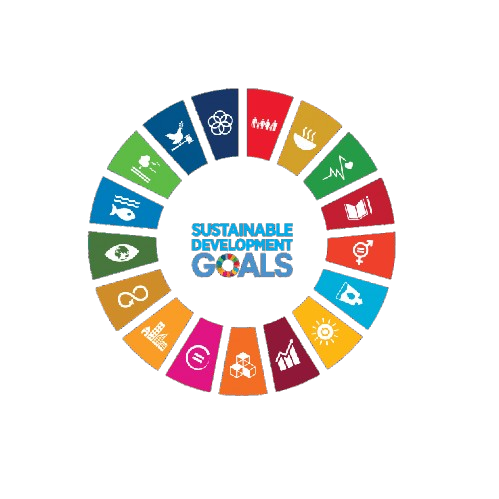
Aligned with
This conference contributes to global sustainability by aligning its research discussions and academic sessions with key United Nations Sustainable Development Goals. It fosters knowledge exchange, innovation, and collaborative engagement.
 SDG 2 — Zero Hunger
 SDG 3 — Good Health and Well-being
 SDG 8 — Decent Work and Economic Growth
 SDG 9 — Industry, Innovation and Infrastructure
 SDG 12 — Responsible Consumption and Production
 SDG 13 — Climate Action
 SDG 14 — Life Below Water
 SDG 15 — Life on Land
 SDG 16 — Peace, Justice and Strong Institutions
 SDG 17 — Partnerships for the Goals
This track focuses on innovative strategies for managing fisheries in a sustainable manner. It aims to explore the balance between ecological health and economic viability in fisheries management.
This session will delve into the methods and technologies that enhance the value of fish products through processing. Discussions will include best practices and innovations in the fish processing industry.
This track examines the economic aspects of aquaculture and its role in sustainable food production. Participants will discuss the challenges and opportunities in promoting sustainable aquaculture practices.
This session will analyze the complexities of fisheries supply chains, focusing on logistics, distribution, and market access. Insights into optimizing supply chains for efficiency and sustainability will be shared.
This track addresses the critical role of governance and policy in fisheries management. It will explore frameworks that support sustainable fisheries and equitable resource distribution.
This session will focus on the importance of seafood safety and quality in the supply chain. Participants will discuss regulatory standards, risk management, and consumer protection measures.
This track highlights cutting-edge technologies and innovative practices in the fisheries sector. Discussions will include advancements in monitoring, data collection, and resource management.
This session will explore sustainable harvesting techniques that minimize environmental impact while maximizing yield. Participants will share research findings and practical applications in the field.
This track focuses on effective management strategies for aquatic resources to ensure their sustainability. It will cover integrated approaches that consider ecological, economic, and social factors.
This session will analyze the dynamics of fisheries trade in global markets, including trade policies and economic impacts. Participants will discuss trends and challenges facing fisheries in international trade.
This track will showcase the latest research findings in fisheries science and management. It aims to identify future research directions that can contribute to sustainable fisheries practices.






SNRI maintains uninterrupted academic processes in the current global situation. Participants can engage and publish through online and blended conference formats.
PLEASE READ: CLOSING ENABLED IN 20S