(ICSGSH - 26) | Hybrid Event
3rd - 4th June 2026 |
Davao City, Philippines
(ICSGSH - 26) | Hybrid Event
3rd - 4th June 2026 |
Davao City, Philippines
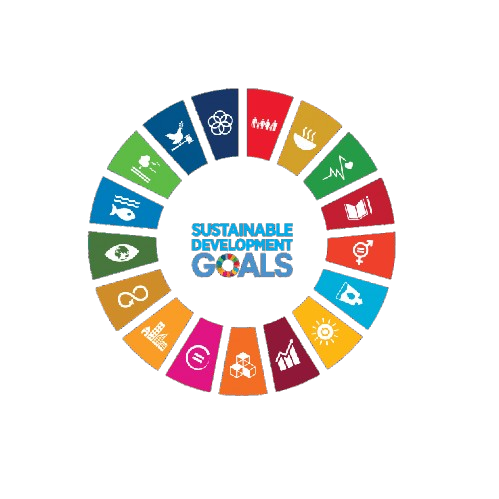
Aligned with
This conference contributes to global sustainability by aligning its research discussions and academic sessions with key United Nations Sustainable Development Goals. It fosters knowledge exchange, innovation, and collaborative engagement.
 SDG 9 — Industry, Innovation and Infrastructure
 SDG 11 — Sustainable Cities and Communities
 SDG 13 — Climate Action
 SDG 14 — Life Below Water
This track focuses on the latest advancements in submarine geophysical techniques and instrumentation. Researchers are invited to present innovative methodologies for conducting geophysical surveys in challenging underwater environments.
This session aims to explore the assessment of seismic hazards specific to marine settings, including the evaluation of earthquake risks along plate boundaries. Contributions should highlight case studies and modeling approaches that inform hazard mitigation strategies.
This track examines the tectonic processes and fault zone dynamics that govern seismic activity in oceanic regions. Papers should address the implications of these geological features for understanding earthquake mechanisms and risks.
This session will focus on the methodologies and technologies used in bathymetric surveys and seafloor mapping. Participants are encouraged to discuss the integration of new tools and data sources for enhanced underwater topographic analysis.
This track investigates the role of sediment deformation in the context of geohazards, including landslides and tsunamis. Submissions should explore the mechanisms of sediment movement and their implications for hazard assessment.
This session will delve into the geological processes associated with hydrothermal activity and its relationship to submarine geophysics. Researchers are invited to present findings on the impact of hydrothermal systems on marine ecosystems and tectonic activity.
This track focuses on the application of numerical modeling techniques to simulate various marine geophysical phenomena. Contributions should highlight innovative models that enhance our understanding of seismic hazards and tectonic processes.
This session addresses the challenges faced in conducting geophysical surveys in marine environments and presents potential solutions. Topics may include technological advancements, data interpretation, and fieldwork strategies.
This track aims to present recent research findings related to marine tectonics and their implications for global seismicity. Papers should focus on the interplay between tectonic processes and marine geological features.
This session explores the relationship between crustal deformation and seismic activity in oceanic regions. Researchers are encouraged to present studies that link deformation processes to earthquake occurrence and risk assessment.
This track focuses on the assessment of tsunami risks and the development of effective mitigation strategies. Contributions should include case studies, modeling efforts, and discussions on community preparedness in coastal areas.






SNRI maintains uninterrupted academic processes in the current global situation. Participants can engage and publish through online and blended conference formats.
PLEASE READ: CLOSING ENABLED IN 20S