
(ICFTEC - 26) | Hybrid Event
3rd - 4th June 2026 |
Abha, Saudi Arabia
(ICFTEC - 26) | Hybrid Event
3rd - 4th June 2026 |
Abha, Saudi Arabia
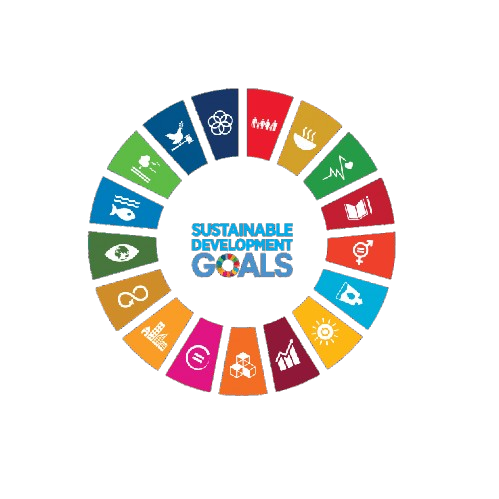
Aligned with
This conference contributes to global sustainability by aligning its research discussions and academic sessions with key United Nations Sustainable Development Goals. It fosters knowledge exchange, innovation, and collaborative engagement.
 SDG 7 — Affordable and Clean Energy
 SDG 9 — Industry, Innovation and Infrastructure
 SDG 11 — Sustainable Cities and Communities
 SDG 12 — Responsible Consumption and Production
 SDG 13 — Climate Action
This track focuses on the latest innovations in biofuel production, including feedstock selection and processing techniques. Discussions will encompass the sustainability and scalability of biofuels as viable energy sources.
This session will explore the transition from fossil fuels to alternative energy sources, highlighting the technological and regulatory challenges involved. Participants will analyze case studies and potential pathways for successful implementation.
This track examines the latest developments in materials science for fuel cells, including catalysts and membrane technologies. Emphasis will be placed on enhancing fuel cell efficiency and longevity.
This session will delve into the chemical processes involved in combustion and the strategies for reducing emissions. Researchers will present findings on optimizing combustion efficiency while minimizing environmental impact.
This track focuses on innovative technologies for energy conversion, including thermochemical and electrochemical methods. The session will highlight advancements that improve energy efficiency and conversion rates.
This session will cover methodologies for assessing fuel performance, including laboratory testing and field studies. Participants will discuss the implications of fuel properties on engine performance and emissions.
This track will explore the practical applications of alternative fuels in various industrial sectors. Case studies will illustrate the economic and environmental benefits of adopting alternative fuel technologies.
This session will focus on novel chemical synthesis methods for producing fuels, including synthetic fuels and bio-derived options. Researchers will discuss the implications of these innovations for future fuel supply chains.
This track will examine the development of energy-efficient fuels and their applications across different sectors. Discussions will include performance metrics and the role of policy in promoting energy efficiency.
This session will explore the various pathways for producing renewable fuels, including technological advancements and economic feasibility. Participants will assess the role of renewable fuels in achieving energy transition goals.
This track will highlight the role of chemical engineering in optimizing fuel systems for performance and sustainability. Presentations will cover process design, modeling, and the integration of advanced technologies.













SNRI maintains uninterrupted academic processes in the current global situation. Participants can engage and publish through online and blended conference formats.
PLEASE READ: CLOSING ENABLED IN 20S