
(ICIRRM - 26) | Hybrid Event
14th - 15th May 2026 |
Jeddah, Saudi Arabia
(ICIRRM - 26) | Hybrid Event
14th - 15th May 2026 |
Jeddah, Saudi Arabia
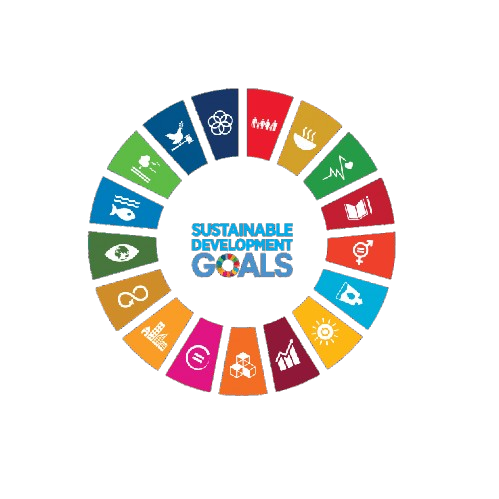
Aligned with
This conference contributes to global sustainability by aligning its research discussions and academic sessions with key United Nations Sustainable Development Goals. It fosters knowledge exchange, innovation, and collaborative engagement.
 SDG 7 — Affordable and Clean Energy
 SDG 9 — Industry, Innovation and Infrastructure
 SDG 11 — Sustainable Cities and Communities
 SDG 12 — Responsible Consumption and Production
 SDG 13 — Climate Action
 SDG 16 — Peace, Justice and Strong Institutions
 SDG 17 — Partnerships for the Goals
This track focuses on innovative structural engineering techniques that enhance the resilience of infrastructure systems. Participants will explore cutting-edge materials and design methodologies aimed at mitigating risks associated with natural disasters.
This session will examine urban planning frameworks that prioritize sustainability and resilience in infrastructure development. Discussions will include case studies and best practices for integrating green technologies and community engagement.
This track will delve into effective risk management strategies tailored for civil engineering projects. Participants will analyze methodologies for identifying, assessing, and mitigating risks throughout the project lifecycle.
This session will highlight innovative disaster mitigation techniques applicable to various infrastructure systems. Emphasis will be placed on the role of technology and planning in enhancing community resilience.
This track will explore the integration of energy-efficient practices in the design and construction of infrastructure. Participants will discuss the impact of energy optimization on sustainability and operational costs.
This session will focus on advanced system modeling techniques used to assess the resilience of infrastructure networks. Participants will learn about simulation tools and methodologies that inform decision-making in risk management.
This track will showcase recent advancements in materials engineering that contribute to the development of resilient infrastructure. Discussions will include the properties and applications of novel materials in construction.
This session will explore the role of smart technologies in creating resilient infrastructure systems. Participants will examine case studies that demonstrate the effectiveness of IoT, AI, and data analytics in infrastructure management.
This track will address construction management practices that effectively reduce risks associated with infrastructure projects. Emphasis will be placed on project planning, resource allocation, and stakeholder collaboration.
This session will promote interdisciplinary approaches to addressing infrastructure challenges through resilient systems thinking. Participants will engage in discussions on collaboration across engineering, urban planning, and environmental science.
This track will examine the role of policy frameworks and governance in fostering infrastructure resilience. Discussions will focus on regulatory approaches, funding mechanisms, and stakeholder engagement strategies.











SNRI maintains uninterrupted academic processes in the current global situation. Participants can engage and publish through online and blended conference formats.
PLEASE READ: CLOSING ENABLED IN 20S