
(ICEVHRCR - 26) | Hybrid Event
30th - 31st May 2026 |
Antalya, Turkey
(ICEVHRCR - 26) | Hybrid Event
30th - 31st May 2026 |
Antalya, Turkey
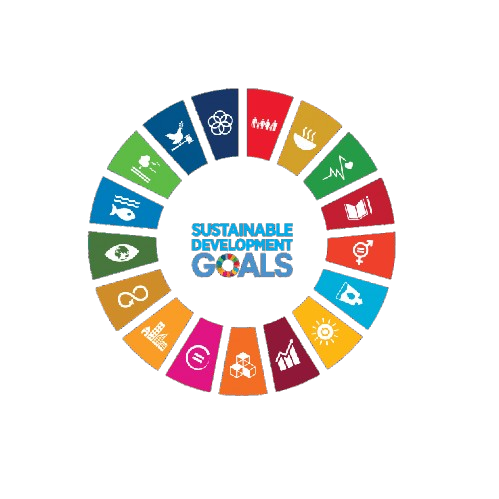
Aligned with
This conference contributes to global sustainability by aligning its research discussions and academic sessions with key United Nations Sustainable Development Goals. It fosters knowledge exchange, innovation, and collaborative engagement.
 SDG 1 — No Poverty
 SDG 4 — Quality Education
 SDG 5 — Gender Equality
 SDG 10 — Reduced Inequalities
 SDG 11 — Sustainable Cities and Communities
 SDG 16 — Peace, Justice and Strong Institutions
This track explores the historical roots of ethnic violence and its manifestations in contemporary society. It aims to analyze the socio-political factors that contribute to such conflicts and their implications for human rights.
This session focuses on the application of human rights frameworks in regions affected by conflict and violence. It seeks to evaluate the effectiveness of these frameworks in protecting vulnerable populations and promoting accountability.
This track examines various conflict resolution strategies, including negotiation, mediation, and dialogue facilitation. Participants will analyze case studies to assess the effectiveness of these approaches in diverse contexts.
This session investigates the relationship between governance structures and the emergence of ethnic conflict. It aims to identify best practices for promoting inclusive governance that mitigates tensions and fosters peace.
This track focuses on peacebuilding initiatives in post-conflict societies, highlighting successful strategies and lessons learned. Participants will discuss the role of local communities in sustaining peace and reconciliation efforts.
This session explores the intersection of social justice and conflict resolution, emphasizing the importance of equity in addressing grievances. It aims to highlight innovative approaches that promote justice for marginalized groups.
This track examines the role of policy advocacy in promoting human rights within conflict-affected regions. Participants will discuss effective strategies for influencing policy change and the challenges faced by advocates.
This session explores the interplay between human development and security studies in the context of ethnic violence. It aims to highlight how development initiatives can contribute to long-term security and stability.
This track focuses on the role of mediation in resolving ethnic conflicts, examining various techniques and their effectiveness. Participants will analyze case studies to identify best practices for mediators in complex environments.
This session investigates the mechanisms of transitional justice and their impact on post-conflict societies. It aims to assess how these mechanisms contribute to reconciliation and the restoration of human rights.
This track explores the role of community development initiatives in fostering reconciliation in post-conflict settings. Participants will discuss how inclusive development can address the root causes of violence and promote social cohesion.










SNRI maintains uninterrupted academic processes in the current global situation. Participants can engage and publish through online and blended conference formats.
PLEASE READ: CLOSING ENABLED IN 20S