(ICHWGR - 26) | Hybrid Event
19th - 20th May 2026 |
Nha Trang, Vietnam
(ICHWGR - 26) | Hybrid Event
19th - 20th May 2026 |
Nha Trang, Vietnam
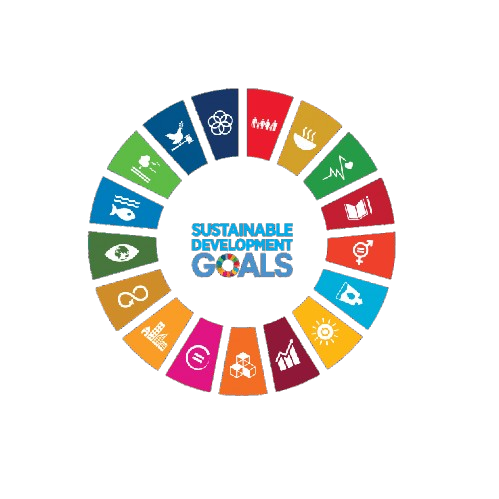
Aligned with
This conference contributes to global sustainability by aligning its research discussions and academic sessions with key United Nations Sustainable Development Goals. It fosters knowledge exchange, innovation, and collaborative engagement.
 SDG 1 — No Poverty
 SDG 2 — Zero Hunger
 SDG 3 — Good Health and Well-being
 SDG 4 — Quality Education
 SDG 5 — Gender Equality
 SDG 9 — Industry, Innovation and Infrastructure
 SDG 10 — Reduced Inequalities
 SDG 11 — Sustainable Cities and Communities
 SDG 16 — Peace, Justice and Strong Institutions
 SDG 17 — Partnerships for the Goals
This track explores the dynamics of humanitarian work in various crisis situations, focusing on the challenges and strategies employed by social workers. It aims to highlight best practices and innovative approaches to aid delivery in conflict and disaster-affected areas.
This session investigates the role of ethical governance in promoting global responsibility within social work practices. It seeks to analyze how policies can be shaped to enhance accountability and justice in humanitarian efforts.
This track focuses on the intersection of social justice and human rights within the realm of humanitarian work. Participants will discuss advocacy strategies that empower marginalized communities and promote equitable access to resources.
This session examines the impact of policy frameworks on the effectiveness of humanitarian aid initiatives. It aims to identify gaps in current policies and propose recommendations for enhancing support for vulnerable populations.
This track emphasizes the importance of community engagement in the development of humanitarian programs. It will explore participatory approaches that foster collaboration between social workers and the communities they serve.
This session delves into the ethical considerations of care in humanitarian work, particularly in social work practice. Discussions will focus on the moral responsibilities of practitioners in providing compassionate and effective support.
This track highlights innovative practices and technologies that enhance the delivery of humanitarian aid. Participants will share case studies and research findings that demonstrate effective solutions to logistical challenges.
This session explores the governance structures that underpin humanitarian responses, analyzing their effectiveness in crisis management. It aims to identify best practices for collaboration among stakeholders in the humanitarian sector.
This track addresses the significance of cultural competence in social work, particularly in humanitarian contexts. It will examine how understanding cultural dynamics can improve service delivery and client relationships.
This session focuses on the role of youth in humanitarian work and their contributions to social change. Discussions will center on empowering young people to take active roles in advocacy and community development.
This track investigates methodologies for assessing the impact of humanitarian programs on communities. Participants will discuss the importance of evaluation in informing policy and improving future interventions.







SNRI maintains uninterrupted academic processes in the current global situation. Participants can engage and publish through online and blended conference formats.
PLEASE READ: CLOSING ENABLED IN 20S