(ICEPASE - 26) | Hybrid Event
27th - 28th May 2026 |
Tirana, Albania
(ICEPASE - 26) | Hybrid Event
27th - 28th May 2026 |
Tirana, Albania
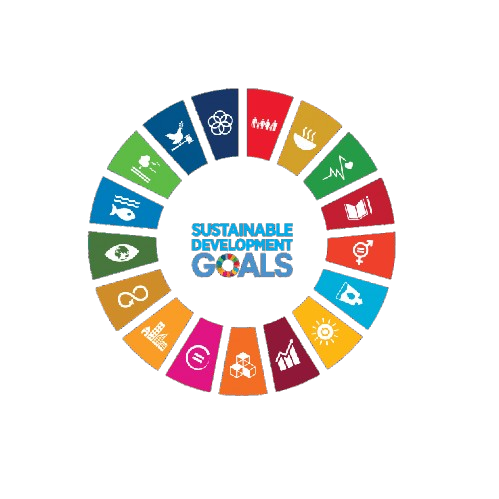
Aligned with
This conference contributes to global sustainability by aligning its research discussions and academic sessions with key United Nations Sustainable Development Goals. It fosters knowledge exchange, innovation, and collaborative engagement.
 SDG 4 — Quality Education
 SDG 5 — Gender Equality
 SDG 8 — Decent Work and Economic Growth
 SDG 9 — Industry, Innovation and Infrastructure
 SDG 10 — Reduced Inequalities
 SDG 16 — Peace, Justice and Strong Institutions
 SDG 17 — Partnerships for the Goals
This track explores novel frameworks and methodologies in education policy formulation and implementation. Participants are encouraged to present research that challenges traditional paradigms and proposes innovative solutions for contemporary educational challenges.
This session focuses on the barriers to achieving social equity in education systems worldwide. Papers should address both theoretical perspectives and practical interventions that promote inclusivity and equitable access to educational resources.
This track examines how curriculum design can reflect and promote diversity and inclusion within educational settings. Contributions should highlight best practices and case studies that demonstrate effective integration of diverse perspectives.
This session investigates the role of governance and leadership in shaping effective educational policies. Research presented should analyze leadership styles and governance structures that enhance institutional performance and accountability.
This track invites discussions on the necessity and impact of educational reforms at various levels. Papers should critically assess recent reforms and their implications for teaching, learning, and policy development.
This session focuses on innovative pedagogical strategies that support lifelong learning in diverse educational contexts. Contributions should explore how these strategies can be effectively implemented to foster continuous personal and professional development.
This track addresses the critical role of assessment and evaluation in shaping education policy. Papers should analyze current practices and propose frameworks for effective evaluation that inform policy decisions and improve educational outcomes.
This session explores the mechanisms of quality assurance in higher education institutions. Contributions should focus on policies and practices that ensure educational quality and enhance institutional reputation in a global context.
This track invites comparative analyses of education policies from different countries and regions. Papers should highlight lessons learned and best practices that can inform policy development in diverse educational landscapes.
This session focuses on the intersection of research and innovative practices in education. Contributions should showcase empirical studies that demonstrate the impact of research-driven innovations on teaching and learning.
This track examines the role of collaboration among stakeholders in promoting sustainable development through education. Papers should explore partnerships that enhance educational access, quality, and relevance in the context of global sustainability goals.








SNRI maintains uninterrupted academic processes in the current global situation. Participants can engage and publish through online and blended conference formats.
PLEASE READ: CLOSING ENABLED IN 20S