(ICPOCT - 26) | Hybrid Event
29th - 30th May 2026 |
Zagreb, Croatia
(ICPOCT - 26) | Hybrid Event
29th - 30th May 2026 |
Zagreb, Croatia
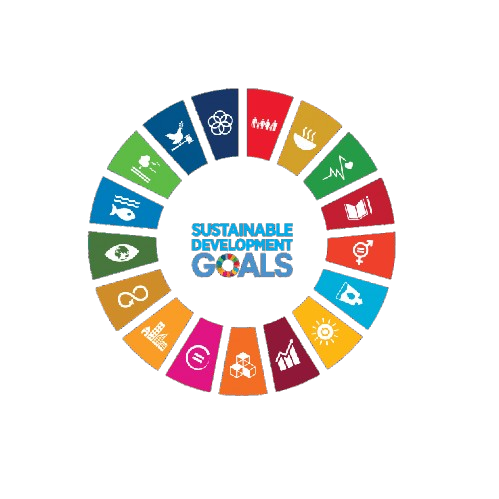
Aligned with
This conference contributes to global sustainability by aligning its research discussions and academic sessions with key United Nations Sustainable Development Goals. It fosters knowledge exchange, innovation, and collaborative engagement.
 SDG 3 — Good Health and Well-being
 SDG 4 — Quality Education
 SDG 9 — Industry, Innovation and Infrastructure
 SDG 10 — Reduced Inequalities
This track will explore the latest developments in precision oncology, focusing on tailored treatment strategies based on individual genetic profiles. Participants will discuss the implications of these advancements for patient outcomes and clinical practice.
This session will highlight novel therapeutic approaches in oncology, including targeted therapies and combination treatments. The focus will be on the mechanisms of action and clinical efficacy of these innovative strategies.
This track will delve into the complex interactions between tumor cells and their microenvironment, emphasizing how these relationships influence cancer progression and treatment response. Researchers will present findings that could lead to new therapeutic targets.
This session will examine the role of personalized medicine in cancer treatment, including the integration of genomic data into clinical decision-making. Discussions will focus on case studies and the challenges of implementing personalized approaches in diverse populations.
This track will cover the latest trends in immunotherapy for cancer treatment, including checkpoint inhibitors and CAR T-cell therapy. Experts will discuss emerging research and potential future directions in this rapidly evolving field.
This session will focus on the identification and validation of biomarkers for cancer diagnosis, prognosis, and treatment response. Participants will explore how biomarkers can enhance precision medicine and improve patient management.
This track will address innovative strategies for cancer prevention, including lifestyle modifications and chemoprevention. The discussion will highlight the importance of early intervention and public health initiatives in reducing cancer incidence.
This session will emphasize the importance of translational research in oncology, showcasing successful collaborations between laboratory scientists and clinicians. Participants will discuss how to effectively translate research findings into clinical applications.
This track will explore cutting-edge technologies that are transforming cancer research, including artificial intelligence, machine learning, and advanced imaging techniques. The focus will be on how these technologies can enhance our understanding of cancer biology.
This session will address the ethical implications of precision oncology, including issues related to genetic testing, patient consent, and equitable access to therapies. Participants will engage in discussions about the responsibilities of researchers and clinicians in this evolving landscape.
This track will provide insights into the global challenges and opportunities in cancer care, highlighting disparities in access to treatment and research across different regions. Participants will discuss collaborative efforts to improve cancer outcomes worldwide.







SNRI maintains uninterrupted academic processes in the current global situation. Participants can engage and publish through online and blended conference formats.
PLEASE READ: CLOSING ENABLED IN 20S