
(ICMPPR - 26) | Hybrid Event
3rd - 4th June 2026 |
Banjul, Gambia
(ICMPPR - 26) | Hybrid Event
3rd - 4th June 2026 |
Banjul, Gambia
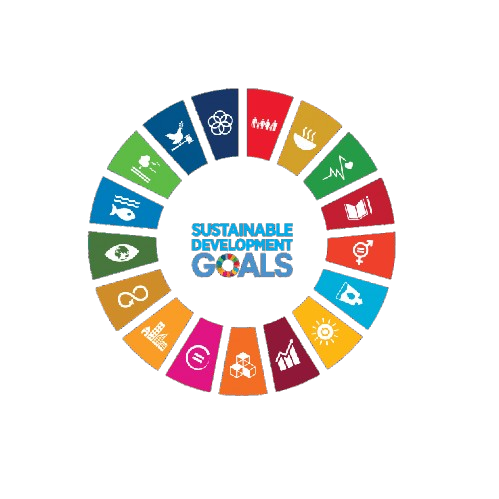
Aligned with
This conference contributes to global sustainability by aligning its research discussions and academic sessions with key United Nations Sustainable Development Goals. It fosters knowledge exchange, innovation, and collaborative engagement.
 SDG 3 — Good Health and Well-being
 SDG 4 — Quality Education
 SDG 5 — Gender Equality
 SDG 10 — Reduced Inequalities
 SDG 11 — Sustainable Cities and Communities
 SDG 16 — Peace, Justice and Strong Institutions
This track explores how national narratives are shaped by collective memory and political agendas. It examines the role of historical memory in the formation of national identity and its implications for governance.
Focusing on the intersection of memory and social movements, this track analyzes how collective memories influence activism and resistance. It seeks to understand the role of historical narratives in mobilizing communities for social justice.
This session investigates the relationship between cultural memory and identity politics, emphasizing how memories shape group identities. It aims to uncover the dynamics of power relations that emerge from these intersections.
This track examines the implications of historical memory in contemporary policy analysis and governance. It highlights how policymakers utilize collective memories to justify decisions and shape public discourse.
This session engages with critical theory to interrogate the politics of memory and its impact on societal structures. It encourages discussions on how power dynamics influence collective memory and historical narratives.
Focusing on public history, this track explores how institutions curate and disseminate collective memories. It examines the responsibilities of museums, archives, and educational entities in shaping public understanding of the past.
This session delves into narrative studies to analyze how memory is constructed and represented in political discourse. It seeks to uncover the rhetorical strategies employed by political actors to shape public memory.
This track investigates the interplay between memory and governance, focusing on how political institutions influence collective memory. It examines the implications of memory politics for democratic practices and accountability.
This session addresses the role of historical memory in advancing social justice initiatives. It explores how marginalized communities utilize collective memories to challenge dominant narratives and advocate for equity.
This track offers a global perspective on the relationship between power relations and memory. It examines how different cultural contexts shape the politics of memory and influence historical narratives.
Focusing on the themes of memory and trauma, this session explores how societies reconstruct their identities in the aftermath of conflict. It analyzes the role of collective memory in healing and reconciliation processes.







SNRI maintains uninterrupted academic processes in the current global situation. Participants can engage and publish through online and blended conference formats.
PLEASE READ: CLOSING ENABLED IN 20S