
(ICFSPH - 26) | Hybrid Event
4th - 5th June 2026 |
Jerusalem, Israel
(ICFSPH - 26) | Hybrid Event
4th - 5th June 2026 |
Jerusalem, Israel
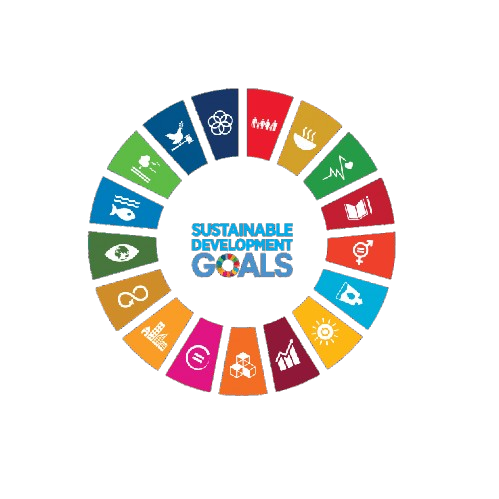
Aligned with
This conference contributes to global sustainability by aligning its research discussions and academic sessions with key United Nations Sustainable Development Goals. It fosters knowledge exchange, innovation, and collaborative engagement.
 SDG 2 — Zero Hunger
 SDG 3 — Good Health and Well-being
 SDG 4 — Quality Education
 SDG 6 — Clean Water and Sanitation
 SDG 9 — Industry, Innovation and Infrastructure
 SDG 12 — Responsible Consumption and Production
 SDG 16 — Peace, Justice and Strong Institutions
 SDG 17 — Partnerships for the Goals
This track will explore novel methodologies and technologies in food safety management systems. Emphasis will be placed on integrating innovative practices to enhance compliance with hygiene standards.
This session will focus on the methodologies for conducting risk assessments related to foodborne hazards. Participants will discuss the implications of risk assessment findings on public health policies.
This track will examine effective preventive strategies aimed at reducing the incidence of foodborne illnesses. Discussions will include case studies highlighting successful interventions in various food sectors.
This session will address the importance of regulatory compliance in ensuring food safety. Experts will share insights on navigating complex regulatory frameworks and their impact on public health.
This track will delve into the development and implementation of monitoring protocols in food safety practices. Participants will evaluate the effectiveness of these protocols in maintaining hygiene standards.
This session will focus on quality assurance processes within the food production industry. Emphasis will be placed on best practices that ensure food safety and consumer protection.
This track will explore various contamination control strategies employed in food processing and handling. Discussions will highlight the significance of these strategies in safeguarding public health.
This session will address the critical role of education and training in promoting food safety practices. Participants will share successful educational initiatives that have improved hygiene standards.
This track will examine the role of emerging technologies in enhancing food safety measures. Topics will include the application of artificial intelligence and blockchain in monitoring food safety.
This session will analyze the broader public health implications of foodborne illnesses. Experts will discuss the economic and social impacts of outbreaks on communities.
This track will provide a comparative analysis of food safety regulations across different countries. Participants will discuss the challenges and successes of implementing these regulations in diverse contexts.
This session will analyze the broader public health implications of foodborne illnesses. Experts will discuss the economic and social impacts of outbreaks on communities.







SNRI maintains uninterrupted academic processes in the current global situation. Participants can engage and publish through online and blended conference formats.
PLEASE READ: CLOSING ENABLED IN 20S