
(ICSSCS - 26) | Hybrid Event
3rd - 4th June 2026 |
Kingston, Jamaica
(ICSSCS - 26) | Hybrid Event
3rd - 4th June 2026 |
Kingston, Jamaica
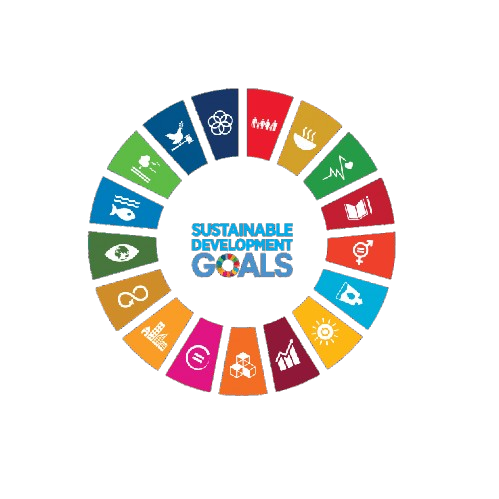
Aligned with
This conference contributes to global sustainability by aligning its research discussions and academic sessions with key United Nations Sustainable Development Goals. It fosters knowledge exchange, innovation, and collaborative engagement.
 SDG 3 — Good Health and Well-being
 SDG 4 — Quality Education
 SDG 5 — Gender Equality
 SDG 8 — Decent Work and Economic Growth
 SDG 9 — Industry, Innovation and Infrastructure
 SDG 10 — Reduced Inequalities
 SDG 11 — Sustainable Cities and Communities
 SDG 16 — Peace, Justice and Strong Institutions
 SDG 17 — Partnerships for the Goals
This track explores the interplay between cultural practices and sports, examining how cultural contexts shape athletic experiences. It invites discussions on the influence of local traditions and global trends on sports participation and identity.
Focusing on the social factors that influence sports participation, this track seeks to understand the barriers and facilitators within various communities. Papers may address issues of accessibility, inclusivity, and the role of social networks in promoting active lifestyles.
This session investigates the formation of athlete identity within diverse social contexts, considering how factors such as race, gender, and socioeconomic status impact self-perception and community engagement. Contributions should highlight the intersectionality of identity and sport.
This track examines the role of media in shaping public perceptions of sports and athletes, focusing on representation, narratives, and the impact of digital platforms. Papers should analyze how media influences societal attitudes towards sports and cultural practices.
Exploring the relationship between fan engagement and community development, this track invites research on how sports fandom fosters social connections and civic participation. Contributions may include case studies on community-driven initiatives linked to sports events.
This session aims to bridge the gap between cultural studies and sport science, encouraging interdisciplinary research that examines cultural narratives within sports. Papers should focus on how cultural frameworks inform scientific inquiry and practice in sports.
This track investigates the societal trends influencing athletic performance, including the impact of technology, training methodologies, and health consciousness. Research should consider how these trends shape the future of sports and athlete development.
Focusing on the role of sports as a platform for social justice, this track invites discussions on activism, advocacy, and the impact of sports on societal change. Papers should explore case studies where sports have been leveraged to address social inequalities.
This session highlights the importance of community engagement initiatives in promoting health and well-being through sports. Research should examine successful programs that utilize sports as a tool for community cohesion and development.
This track explores the concept of performance culture in sports and its implications for athlete well-being and mental health. Contributions should address the pressures athletes face and the strategies to promote a healthier sporting environment.
This session investigates the broader societal impacts of major sports events, including economic, cultural, and social dimensions. Papers should analyze how these events shape community identity and influence social dynamics.












SNRI maintains uninterrupted academic processes in the current global situation. Participants can engage and publish through online and blended conference formats.
PLEASE READ: CLOSING ENABLED IN 20S