(ICMFOS - 26) | Hybrid Event
19th - 20th May 2026 |
Jelgava, Latvia
(ICMFOS - 26) | Hybrid Event
19th - 20th May 2026 |
Jelgava, Latvia
Aligned with
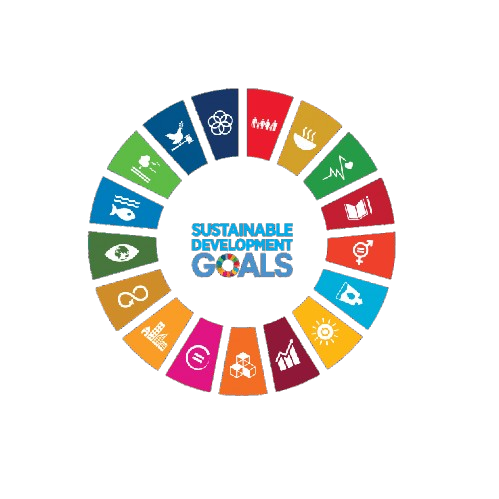
This conference contributes to global sustainability by aligning its research discussions and academic sessions with key United Nations Sustainable Development Goals. It fosters knowledge exchange, innovation, and collaborative engagement.
 SDG 2 — Zero Hunger
 SDG 8 — Decent Work and Economic Growth
 SDG 9 — Industry, Innovation and Infrastructure
 SDG 11 — Sustainable Cities and Communities
 SDG 12 — Responsible Consumption and Production
 SDG 13 — Climate Action
 SDG 14 — Life Below Water
 SDG 15 — Life on Land
 SDG 16 — Peace, Justice and Strong Institutions
 SDG 17 — Partnerships for the Goals
This track focuses on innovative approaches to fisheries management that promote sustainability. Discussions will include policy frameworks, stakeholder engagement, and adaptive management strategies.
This session will explore the effects of climate change on marine ecosystems and fish populations. Researchers will present findings on adaptation strategies and resilience of aquatic resources.
This track examines the role of genetics in improving aquaculture practices and enhancing fish populations. Topics will include selective breeding, genetic diversity, and disease resistance.
This session will delve into the economic aspects of fisheries and the global aquatic trade. Presentations will cover market dynamics, valuation of ecosystem services, and economic sustainability.
This track will address methodologies for studying fish population dynamics and monitoring techniques. Emphasis will be placed on data collection, modeling, and the implications for fisheries management.
This session will highlight the importance of marine biodiversity and effective conservation strategies. Participants will discuss the role of protected areas, habitat restoration, and species recovery plans.
This track will investigate the governance structures and policy frameworks that influence sustainable fisheries. Discussions will focus on international agreements, local governance, and community-based management.
This session will explore the intersection of coastal fisheries and community resilience in the face of environmental changes. Case studies will highlight successful community-led initiatives and adaptive practices.
This track will present research on sustainable harvesting techniques that minimize ecological impact. Topics will include bycatch reduction, gear technology, and best practices for sustainable fishing.
This session will focus on habitat restoration efforts and their role in enhancing ecosystem services. Presentations will cover techniques for restoring marine habitats and the benefits to fisheries.
This track will showcase cutting-edge technologies for fisheries monitoring and data collection. Participants will discuss the integration of remote sensing, artificial intelligence, and citizen science in fisheries research.






SNRI maintains uninterrupted academic processes in the current global situation. Participants can engage and publish through online and blended conference formats.
PLEASE READ: CLOSING ENABLED IN 20S