
(ICGMPDP - 26) | Hybrid Event
3rd - 4th June 2026 |
Jelgava, Latvia
(ICGMPDP - 26) | Hybrid Event
3rd - 4th June 2026 |
Jelgava, Latvia
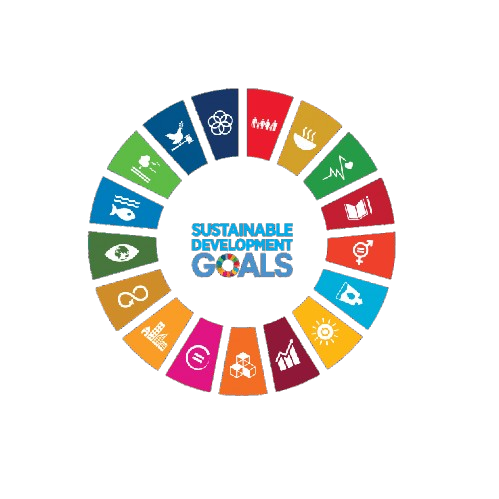
Aligned with
This conference contributes to global sustainability by aligning its research discussions and academic sessions with key United Nations Sustainable Development Goals. It fosters knowledge exchange, innovation, and collaborative engagement.
 SDG 1 — No Poverty
 SDG 2 — Zero Hunger
 SDG 5 — Gender Equality
 SDG 8 — Decent Work and Economic Growth
 SDG 9 — Industry, Innovation and Infrastructure
 SDG 10 — Reduced Inequalities
 SDG 13 — Climate Action
 SDG 16 — Peace, Justice and Strong Institutions
 SDG 17 — Partnerships for the Goals
This track explores the intricate relationship between globalization and migration, focusing on how global economic changes influence migration trends. It aims to analyze the implications of these patterns for both sending and receiving countries.
This session examines the role of public policy in managing the challenges and opportunities presented by global migration. It seeks to identify best practices and innovative policy frameworks that promote inclusive growth and social cohesion.
This track investigates the effectiveness of various poverty alleviation strategies that consider the dynamics of migration. It aims to highlight successful case studies and policy interventions that have improved the livelihoods of migrants and their families.
This session focuses on the relationship between labor mobility and economic development, analyzing how migration contributes to economic growth in both home and host countries. It will also address the challenges faced by migrant workers in the labor market.
This track explores the impact of remittances on poverty reduction and economic development in migrant-sending countries. It aims to assess the effectiveness of remittance flows in enhancing human development and social welfare.
This session delves into the complexities of refugee migration, focusing on policy responses and the social integration of refugees. It seeks to foster discussions on best practices for supporting refugee populations in host societies.
This track examines the intersection of inclusive growth and social policy, emphasizing the importance of equitable development in the context of migration. It aims to identify strategies that promote social justice and economic opportunities for marginalized groups.
This session addresses the challenges of economic governance in the context of globalization and migration. It will explore how international policies can be aligned to promote sustainable development and address the needs of vulnerable populations.
This track highlights the critical role of civil society organizations in shaping migration policies and advocating for the rights of migrants. It aims to showcase successful collaborations between civil society and governmental bodies.
This session focuses on the development and implementation of international policy frameworks that govern migration. It seeks to evaluate the effectiveness of existing agreements and propose recommendations for future policy directions.
This track explores emerging trends and future scenarios in global migration, considering the impacts of climate change, economic shifts, and geopolitical tensions. It aims to foster discussions on proactive policy responses to anticipated migration challenges.







SNRI maintains uninterrupted academic processes in the current global situation. Participants can engage and publish through online and blended conference formats.
PLEASE READ: CLOSING ENABLED IN 20S