(ICIMIED - 26) | Hybrid Event
11th - 12th June 2026 |
Byblos, Lebanon
(ICIMIED - 26) | Hybrid Event
11th - 12th June 2026 |
Byblos, Lebanon
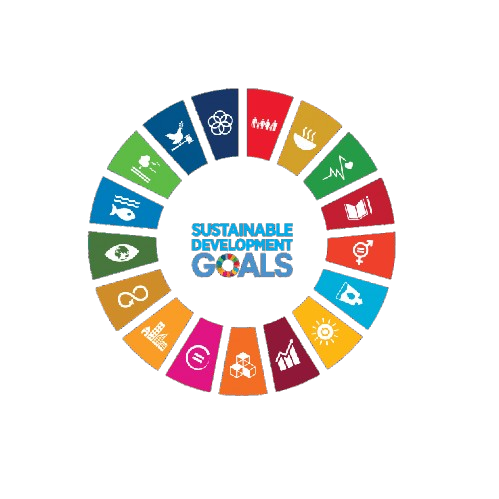
Aligned with
This conference contributes to global sustainability by aligning its research discussions and academic sessions with key United Nations Sustainable Development Goals. It fosters knowledge exchange, innovation, and collaborative engagement.
 SDG 1 — No Poverty
 SDG 4 — Quality Education
 SDG 8 — Decent Work and Economic Growth
 SDG 9 — Industry, Innovation and Infrastructure
 SDG 10 — Reduced Inequalities
 SDG 16 — Peace, Justice and Strong Institutions
 SDG 17 — Partnerships for the Goals
This track explores the relationship between international migration and economic growth, focusing on how migration influences GDP and productivity. It aims to analyze the mechanisms through which migrant labor contributes to the economic development of host and home countries.
This session examines the dynamics of labor mobility in the context of global labor markets. It seeks to understand the factors driving labor migration and its implications for both sending and receiving economies.
This track focuses on the role of remittances in fostering economic development in migrant-sending countries. It investigates how remittance flows can impact poverty alleviation, investment, and consumption patterns.
This session analyzes the impact of migration policies on economic integration in host countries. It aims to discuss best practices and challenges in creating inclusive policies that benefit both migrants and local economies.
This track delves into the relationship between human capital development and migration patterns. It explores how education, skills, and training influence migration decisions and the economic contributions of migrants.
This session investigates the intersection of population economics and migration trends, focusing on demographic shifts and their economic implications. It aims to provide insights into how population dynamics influence migration flows and labor markets.
This track addresses the phenomenon of brain drain and its economic consequences for both sending and receiving countries. It seeks to evaluate the long-term effects of skilled migration on national economies and labor markets.
This session examines how migration flows affect workforce distribution across regions and sectors. It aims to analyze the implications of these changes for economic development and labor market dynamics.
This track focuses on the socioeconomic impacts of migration on communities and economies. It seeks to assess both positive and negative effects, including social integration, labor market changes, and economic resilience.
This session explores the role of governance in shaping migration policies and their economic implications. It aims to discuss how effective governance can enhance the benefits of migration for economic development.
This track investigates the economic implications of cross-border employment arrangements. It aims to analyze how such arrangements can contribute to economic development and labor market efficiency in border regions.







SNRI maintains uninterrupted academic processes in the current global situation. Participants can engage and publish through online and blended conference formats.
PLEASE READ: CLOSING ENABLED IN 20S