
(ICMECS - 26) | Hybrid Event
3rd - 4th June 2026 |
Klaipeda, Lithuania
(ICMECS - 26) | Hybrid Event
3rd - 4th June 2026 |
Klaipeda, Lithuania
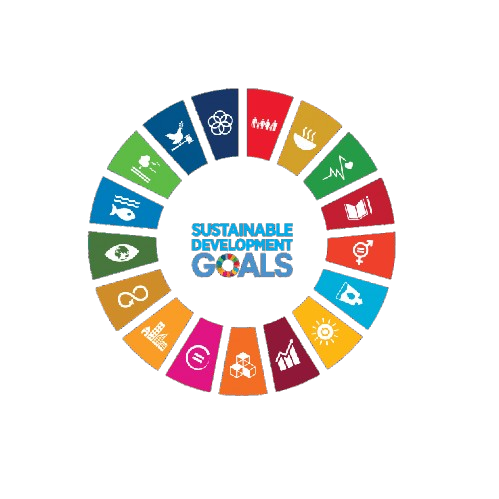
Aligned with
This conference contributes to global sustainability by aligning its research discussions and academic sessions with key United Nations Sustainable Development Goals. It fosters knowledge exchange, innovation, and collaborative engagement.
 SDG 4 — Quality Education
 SDG 9 — Industry, Innovation and Infrastructure
 SDG 10 — Reduced Inequalities
 SDG 11 — Sustainable Cities and Communities
 SDG 16 — Peace, Justice and Strong Institutions
This track explores the interplay between cultural memory and the construction of individual and collective identities. It invites papers that examine how memories shape and are shaped by cultural narratives across different societies.
This session focuses on the role of historical memory in shaping contemporary social and political landscapes. Contributions are encouraged that analyze how collective memories of past events influence current identity politics and social justice movements.
This track investigates the diverse practices of memory across various cultures and their implications for intercultural understanding. Papers should address how different societies commemorate, preserve, and interpret their memories.
This session emphasizes the significance of narrative analysis in understanding memory construction and representation. Participants are invited to present methodologies that reveal the complexities of memory through storytelling.
This track examines the relationship between heritage studies and the preservation of collective memory. It seeks contributions that discuss the challenges and strategies involved in safeguarding cultural heritage as a form of memory.
This session explores the intersection of memory and social justice, focusing on how collective memories can inform and drive social change. Papers should investigate the role of memory in advocating for marginalized communities and historical injustices.
This track aims to provide a platform for discussing memory from a global perspective, highlighting how different cultures interpret and engage with memory. Contributions should reflect on the implications of globalization for memory practices.
This session invites papers that apply critical theory to the study of memory, examining how theoretical frameworks can deepen our understanding of memory's role in society. Discussions may include postcolonial, feminist, and psychoanalytic approaches.
This track investigates how digital technologies are transforming memory practices and representations. Contributions should explore the impact of social media, digital archives, and virtual reality on collective and individual memory.
This session encourages comparative analyses of memory across different cultures, time periods, and contexts. Papers should highlight similarities and differences in memory practices and their implications for understanding cultural identity.
This track emphasizes the importance of interdisciplinary approaches in memory studies, inviting contributions from fields such as psychology, sociology, anthropology, and literary studies. Participants are encouraged to explore how interdisciplinary methodologies can enhance our understanding of memory.









SNRI maintains uninterrupted academic processes in the current global situation. Participants can engage and publish through online and blended conference formats.
PLEASE READ: CLOSING ENABLED IN 20S