
(ICNBIES - 26) | Hybrid Event
11th - 12th June 2026 |
Skopje, Macedonia
(ICNBIES - 26) | Hybrid Event
11th - 12th June 2026 |
Skopje, Macedonia
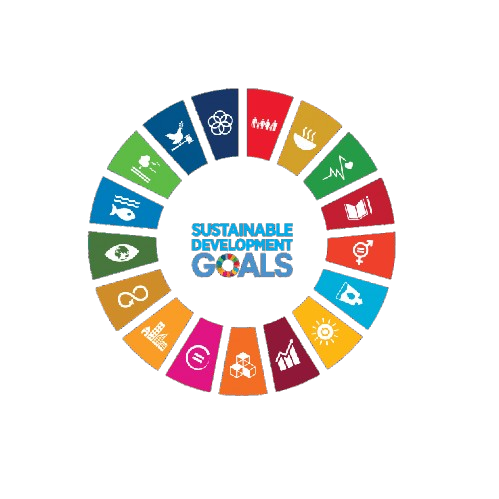
Aligned with
This conference contributes to global sustainability by aligning its research discussions and academic sessions with key United Nations Sustainable Development Goals. It fosters knowledge exchange, innovation, and collaborative engagement.
 SDG 3 — Good Health and Well-being
 SDG 4 — Quality Education
 SDG 9 — Industry, Innovation and Infrastructure
 SDG 12 — Responsible Consumption and Production
This track focuses on the latest developments in biomolecular nanotechnology, emphasizing the design and application of nanoscale materials for biological systems. Researchers are invited to present innovative approaches that enhance the functionality and efficiency of biomolecules at the nanoscale.
This session explores the design and application of nanobiomaterials specifically tailored for drug delivery applications. Contributions should highlight novel strategies to improve bioavailability, targeting, and controlled release mechanisms using nanotechnology.
This track examines the role of biofunctionalized nanoparticles in therapeutic applications, including cancer treatment and regenerative medicine. Presentations should discuss the synthesis, characterization, and biological interactions of these nanoparticles.
This session addresses the engineering of interfaces in tissue engineering, focusing on the integration of nanomaterials to enhance cell-material interactions. Researchers are encouraged to share their findings on scaffold design and cellular responses at the nanoscale.
This track investigates the mechanical properties of cells at the nanoscale and their implications for cellular behavior and function. Contributions should explore experimental and computational approaches to understanding cellular nanomechanics.
This session focuses on the synthesis and application of bio-nano conjugates, which combine biological molecules with nanomaterials for enhanced functionality. Presenters are invited to discuss their work on the characterization and utilization of these conjugates in various fields.
This track addresses the emerging field of nanotoxicology, focusing on the potential risks and safety assessments associated with nanomaterials. Researchers are encouraged to present studies that evaluate the toxicological effects of nanoparticles on biological systems.
This session emphasizes computational models and simulations that elucidate the interactions between biological systems and nanomaterials. Contributions should highlight innovative modeling techniques and their implications for understanding bio-nano interfaces.
This track explores the development of bio-inspired nanomaterials that mimic natural systems for engineering applications. Presentations should focus on the design principles derived from nature and their implementation in nanotechnology.
This session focuses on the latest innovations in nanomedicine, including diagnostic and therapeutic applications of nanotechnology in healthcare. Researchers are invited to discuss the challenges and future directions in the integration of nanotechnology in medicine.
This track examines the development and application of bio-nanodevices in various healthcare settings. Contributions should highlight novel designs, functionalities, and the impact of these devices on patient care and diagnostics.








SNRI maintains uninterrupted academic processes in the current global situation. Participants can engage and publish through online and blended conference formats.
PLEASE READ: CLOSING ENABLED IN 20S