
(ICHRVACM - 26) | Hybrid Event
3rd - 4th June 2026 |
Petaling Jaya, Malaysia
(ICHRVACM - 26) | Hybrid Event
3rd - 4th June 2026 |
Petaling Jaya, Malaysia
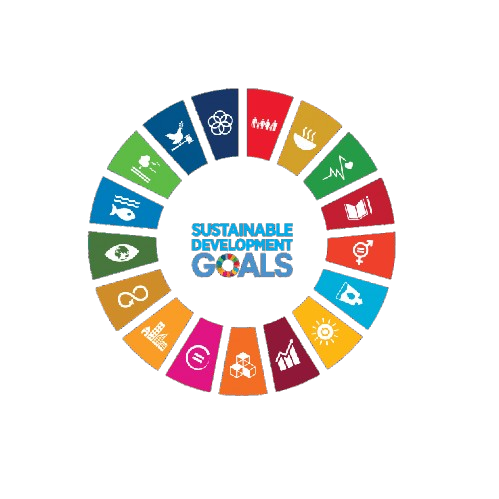
Aligned with
This conference contributes to global sustainability by aligning its research discussions and academic sessions with key United Nations Sustainable Development Goals. It fosters knowledge exchange, innovation, and collaborative engagement.
 SDG 3 — Good Health and Well-being
 SDG 5 — Gender Equality
 SDG 10 — Reduced Inequalities
 SDG 11 — Sustainable Cities and Communities
 SDG 16 — Peace, Justice and Strong Institutions
 SDG 17 — Partnerships for the Goals
This track examines the multifaceted nature of human rights violations that occur during armed conflicts. It seeks to analyze the implications of these violations on affected populations and the broader international community.
This session focuses on the various accountability mechanisms employed to address human rights violations. It aims to discuss both traditional and innovative approaches to ensuring justice and accountability.
This track delves into the role of transitional justice in fostering reconciliation and rebuilding societies after conflict. It evaluates the effectiveness of truth commissions, reparations, and institutional reforms.
This session addresses the legal frameworks surrounding war crimes and the challenges faced in prosecuting such offenses. It highlights recent case studies and the role of international tribunals in enforcing accountability.
This track explores the principles of humanitarian law and their application in protecting civilians during armed conflicts. It discusses the effectiveness of these laws in preventing human rights violations.
This session examines the role of global governance structures in promoting and protecting human rights. It critiques the effectiveness of international institutions and their responses to human rights violations.
This track investigates the concept of human security and its significance in peacebuilding initiatives. It emphasizes the need for a holistic approach to security that prioritizes human rights.
This session highlights the crucial role that civil society organizations play in advocating for accountability and justice. It explores strategies employed by these organizations to combat human rights violations.
This track focuses on the establishment and functioning of truth commissions as mechanisms for addressing past human rights abuses. It aims to identify best practices and lessons learned from various national contexts.
This session examines the relationship between democracy promotion and the protection of human rights. It discusses how democratic governance can serve as a mechanism for preventing human rights violations.
This track explores the strategies and frameworks developed for the prevention of atrocities and mass human rights violations. It seeks to identify effective measures and the role of international actors in this domain.









SNRI maintains uninterrupted academic processes in the current global situation. Participants can engage and publish through online and blended conference formats.
PLEASE READ: CLOSING ENABLED IN 20S