
(ICMGCP - 26) | Hybrid Event
15th - 16th June 2026 |
Petaling Jaya, Malaysia
(ICMGCP - 26) | Hybrid Event
15th - 16th June 2026 |
Petaling Jaya, Malaysia
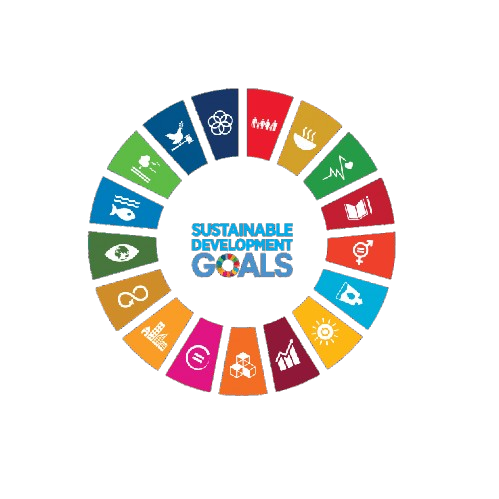
Aligned with
This conference contributes to global sustainability by aligning its research discussions and academic sessions with key United Nations Sustainable Development Goals. It fosters knowledge exchange, innovation, and collaborative engagement.
 SDG 11 — Sustainable Cities and Communities
 SDG 12 — Responsible Consumption and Production
 SDG 13 — Climate Action
 SDG 14 — Life Below Water
 SDG 15 — Life on Land
This session will explore the processes governing sediment transport and deposition in marine environments. Emphasis will be placed on the implications of sediment dynamics for coastal management and ecosystem health.
This track will focus on the mechanisms of coastal erosion and the effectiveness of various management strategies. Participants will discuss case studies and innovative approaches to mitigate erosion impacts.
This session aims to investigate the factors influencing shoreline dynamics and the resulting morphological changes. Contributions will include modeling approaches and field studies that enhance our understanding of coastal evolution.
This track will delve into the physical and biological processes within estuarine systems. Discussions will highlight the importance of estuaries as transitional zones and their role in supporting biodiversity.
This session will examine the geological processes shaping continental shelves and the associated marine resources. Topics will include sedimentary processes, resource exploration, and environmental impacts.
This track will focus on the dynamics of wave action and its effects on coastal environments. Presentations will cover theoretical models, field measurements, and implications for coastal infrastructure.
This session will explore the complex processes that govern delta formation and evolution. Contributions will address both natural and anthropogenic influences on deltaic systems.
This track will investigate the geomorphological features of coastal landscapes and the processes that shape them. Emphasis will be placed on the interplay between natural forces and human activities.
This session will focus on the stratigraphic records of marine environments and their use in reconstructing past climates and ecosystems. Participants will discuss methodologies and findings from recent research.
This track will address various coastal hazards, including storms, flooding, and sea level rise. Discussions will focus on risk assessment methodologies and strategies for effective mitigation.
This session will explore sustainable practices in the management of marine resources, including fisheries and habitat conservation. Participants will share innovative approaches and case studies that promote ecological balance.








SNRI maintains uninterrupted academic processes in the current global situation. Participants can engage and publish through online and blended conference formats.
PLEASE READ: CLOSING ENABLED IN 20S