
(ICPEIIG - 26) | Hybrid Event
11th - 12th June 2026 |
Nampula, Mozambique
(ICPEIIG - 26) | Hybrid Event
11th - 12th June 2026 |
Nampula, Mozambique
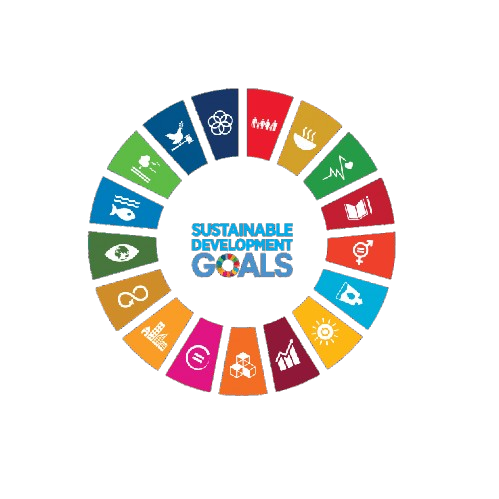
Aligned with
This conference contributes to global sustainability by aligning its research discussions and academic sessions with key United Nations Sustainable Development Goals. It fosters knowledge exchange, innovation, and collaborative engagement.
 SDG 1 — No Poverty
 SDG 2 — Zero Hunger
 SDG 3 — Good Health and Well-being
 SDG 5 — Gender Equality
 SDG 8 — Decent Work and Economic Growth
 SDG 9 — Industry, Innovation and Infrastructure
 SDG 10 — Reduced Inequalities
 SDG 16 — Peace, Justice and Strong Institutions
 SDG 17 — Partnerships for the Goals
This track explores the relationship between redistributive policies and economic growth, focusing on how fiscal measures can mitigate inequality. Papers should analyze the effectiveness of various redistribution strategies in promoting inclusive economic development.
This session examines the role of fiscal policy in enhancing social welfare outcomes. Contributions should investigate how government spending and taxation influence poverty alleviation and social equity.
This track addresses the dynamics of labor markets in relation to income inequality. Research should focus on the impact of labor policies and market structures on wage disparities and employment opportunities.
This session delves into the intersection of governance and public finance, analyzing how institutional frameworks affect fiscal policy effectiveness. Papers should consider the implications of governance quality on resource allocation and public service delivery.
This track focuses on strategies for achieving inclusive growth, emphasizing the importance of equitable resource distribution. Submissions should evaluate case studies and policy frameworks that successfully promote inclusive economic participation.
This session investigates the role of development economics in shaping effective policy design. Contributions should highlight innovative approaches to addressing economic challenges in developing contexts.
This track examines the relationship between public services and economic development outcomes. Papers should analyze how the quality and accessibility of public services impact overall economic performance and social well-being.
This session focuses on various mechanisms for poverty alleviation, exploring both traditional and innovative approaches. Research should assess the effectiveness of these mechanisms in different socio-economic contexts.
This track invites papers that develop new methodologies for measuring inequality and analyzing its implications. Contributions should provide insights into the trends and drivers of inequality at local, national, and global levels.
This session explores the implications of digital transformation on public economics. Papers should examine how technology influences fiscal policy, governance, and the delivery of public services.
This track invites a comparative analysis of public economics across different countries and regions. Contributions should highlight unique challenges and successful practices in addressing inequality and promoting inclusive growth.








SNRI maintains uninterrupted academic processes in the current global situation. Participants can engage and publish through online and blended conference formats.
PLEASE READ: CLOSING ENABLED IN 20S