
(ICOMAFS - 26) | Hybrid Event
27th - 28th May 2026 |
Lima, Peru
(ICOMAFS - 26) | Hybrid Event
27th - 28th May 2026 |
Lima, Peru
Aligned with
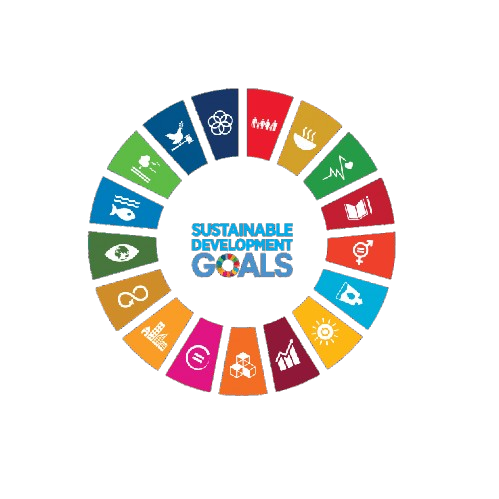
This conference contributes to global sustainability by aligning its research discussions and academic sessions with key United Nations Sustainable Development Goals. It fosters knowledge exchange, innovation, and collaborative engagement.
 SDG 2 — Zero Hunger
 SDG 3 — Good Health and Well-being
 SDG 4 — Quality Education
 SDG 6 — Clean Water and Sanitation
 SDG 11 — Sustainable Cities and Communities
This track focuses on the latest innovations in molecular diagnostic techniques for identifying foodborne pathogens. Emphasis will be placed on the integration of these methods in clinical and public health settings.
This session will explore the relationship between food safety practices and the prevalence of infectious diseases. Participants will discuss case studies and strategies for mitigating risks associated with foodborne illnesses.
This track aims to bridge the gap between laboratory research and clinical application in the field of microbiology. Discussions will highlight successful translational research projects that have impacted food safety and public health.
This session will delve into the clinical implications of antimicrobial resistance in foodborne pathogens. Researchers will present findings on resistance mechanisms and their impact on treatment outcomes.
This track will showcase cutting-edge laboratory techniques that enhance the detection and analysis of microorganisms in food. Participants will discuss the implications of these techniques for food safety and public health.
This session will focus on effective strategies for controlling pathogens in food production environments. Experts will share insights on best practices and regulatory frameworks that ensure food safety.
This track will explore novel therapeutic approaches to combat foodborne infections caused by microbial pathogens. Discussions will include vaccine development, phage therapy, and alternative treatment modalities.
This session will examine the epidemiological trends of foodborne diseases globally. Researchers will present data on outbreaks, risk factors, and the role of microbiology in understanding these trends.
This track will address the regulatory landscape surrounding food safety and microbiology. Participants will discuss the effectiveness of current regulations and propose improvements based on recent research findings.
This session will focus on the identification and characterization of emerging pathogens in the food supply chain. Researchers will discuss the implications of these pathogens for food safety and public health.
This track will explore the broader public health implications of microbiological research in food safety. Discussions will center on the role of microbiology in preventing foodborne illnesses and enhancing community health.







SNRI maintains uninterrupted academic processes in the current global situation. Participants can engage and publish through online and blended conference formats.
PLEASE READ: CLOSING ENABLED IN 20S