
(ISFWRM - 26) | Hybrid Event
11th - 12th June 2026 |
Angeles City, Philippines
(ISFWRM - 26) | Hybrid Event
11th - 12th June 2026 |
Angeles City, Philippines
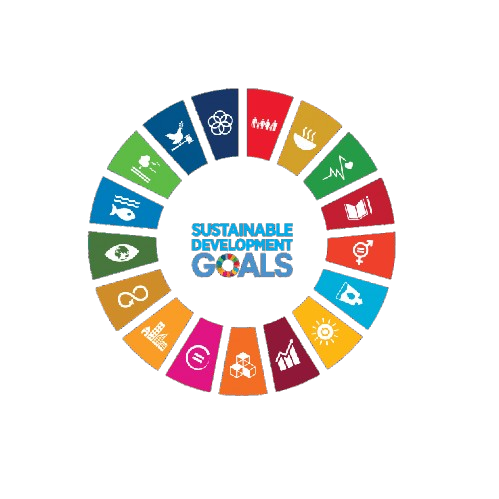
Aligned with
This conference contributes to global sustainability by aligning its research discussions and academic sessions with key United Nations Sustainable Development Goals. It fosters knowledge exchange, innovation, and collaborative engagement.
 SDG 1 — No Poverty
 SDG 2 — Zero Hunger
 SDG 3 — Good Health and Well-being
 SDG 4 — Quality Education
 SDG 8 — Decent Work and Economic Growth
 SDG 9 — Industry, Innovation and Infrastructure
 SDG 10 — Reduced Inequalities
 SDG 11 — Sustainable Cities and Communities
 SDG 12 — Responsible Consumption and Production
 SDG 13 — Climate Action
 SDG 15 — Life on Land
 SDG 16 — Peace, Justice and Strong Institutions
 SDG 17 — Partnerships for the Goals
This track focuses on novel approaches and technologies aimed at minimizing food waste across various sectors. Participants will explore case studies and innovative practices that demonstrate effective waste reduction strategies.
This session examines the integration of sustainability principles within food supply chains to enhance efficiency and reduce waste. Discussions will include best practices and frameworks for implementing sustainable supply chain management.
This track delves into the principles of the circular economy as they relate to food waste management. It will highlight successful models and policies that promote resource recovery and waste valorization.
Participants in this session will analyze the environmental consequences of food waste, including greenhouse gas emissions and resource depletion. The discussion will emphasize the importance of addressing food waste in the context of climate change mitigation.
This track focuses on the role of policy in driving food waste reduction initiatives. Experts will present innovative regulatory frameworks and incentives that have proven effective in promoting sustainable practices.
This session highlights emerging green technologies that facilitate food waste reduction and management. Participants will explore technological advancements that support recycling, composting, and waste-to-energy initiatives.
This track addresses the critical relationship between food security and food waste prevention strategies. Discussions will focus on how reducing food waste can enhance food availability and access for vulnerable populations.
This session will explore the psychological and behavioral factors influencing food waste at the consumer level. Researchers will present findings on effective interventions that encourage sustainable consumption practices.
This track examines the concept of waste valorization, focusing on methods to convert food waste into valuable resources. Participants will discuss innovative practices that turn waste into energy, compost, or other usable products.
This session will explore the intersection of climate change and food waste management strategies. Experts will discuss how effective waste management practices can contribute to broader climate goals.
This track emphasizes the importance of collaboration among stakeholders in preventing food loss. Participants will share successful partnerships and initiatives that have led to significant reductions in food waste.










SNRI maintains uninterrupted academic processes in the current global situation. Participants can engage and publish through online and blended conference formats.
PLEASE READ: CLOSING ENABLED IN 20S