
(ICMGT - 26) | Hybrid Event
3rd - 4th June 2026 |
Caloocan, Philippines
(ICMGT - 26) | Hybrid Event
3rd - 4th June 2026 |
Caloocan, Philippines
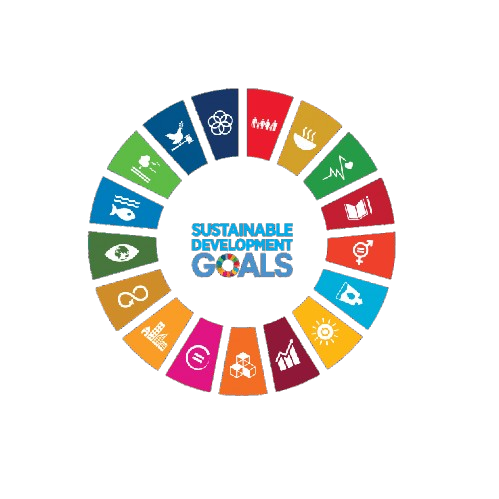
Aligned with
This conference contributes to global sustainability by aligning its research discussions and academic sessions with key United Nations Sustainable Development Goals. It fosters knowledge exchange, innovation, and collaborative engagement.
 SDG 3 — Good Health and Well-being
 SDG 4 — Quality Education
 SDG 10 — Reduced Inequalities
 SDG 11 — Sustainable Cities and Communities
 SDG 16 — Peace, Justice and Strong Institutions
This track explores the intricate relationship between memory and identity, focusing on how personal narratives shape and are shaped by collective memory. Scholars are invited to examine the role of memory in the formation of individual and group identities across various cultural contexts.
This session investigates the mechanisms through which memories and cultural practices are transmitted across generations. Papers will address the implications of generational transmission for social cohesion and cultural continuity.
This track emphasizes the significance of oral history in preserving collective memory and cultural heritage. Participants will discuss methodologies and ethical considerations in collecting and interpreting oral narratives.
This session examines the challenges and opportunities of cultural transmission in the context of globalization. Contributions will focus on how global influences reshape local memory practices and cultural identities.
This track delves into the relationship between memory and place within heritage studies. Papers will explore how physical spaces contribute to collective memory and the preservation of cultural heritage.
This session focuses on the role of memory in shaping family dynamics and interpersonal relationships across generations. Researchers are encouraged to explore how familial narratives influence identity and socialization.
This track aims to address the gaps in intergenerational studies by examining the transmission of memory and values between different age groups. Contributions will highlight innovative approaches to fostering intergenerational dialogue and understanding.
This session investigates the role of memory practices in educational settings, focusing on how storytelling and narrative analysis can enhance teaching and learning. Papers will discuss pedagogical strategies that incorporate memory work into curricula.
This track explores the interplay between social history and memory, emphasizing how historical narratives are constructed and remembered. Participants will analyze case studies that illustrate the impact of memory on historical understanding.
This session examines the role of memory in community engagement and collective action. Contributions will focus on how shared memories can mobilize communities towards social change and resilience.
This track invites critical examinations of memory through various theoretical lenses, including postcolonial, feminist, and psychoanalytic perspectives. Scholars will engage in discussions that challenge dominant narratives and explore alternative memory frameworks.








SNRI maintains uninterrupted academic processes in the current global situation. Participants can engage and publish through online and blended conference formats.
PLEASE READ: CLOSING ENABLED IN 20S