
(ICSSCE - 26) | Hybrid Event
3rd - 4th June 2026 |
Chernihiv, Ukraine
(ICSSCE - 26) | Hybrid Event
3rd - 4th June 2026 |
Chernihiv, Ukraine
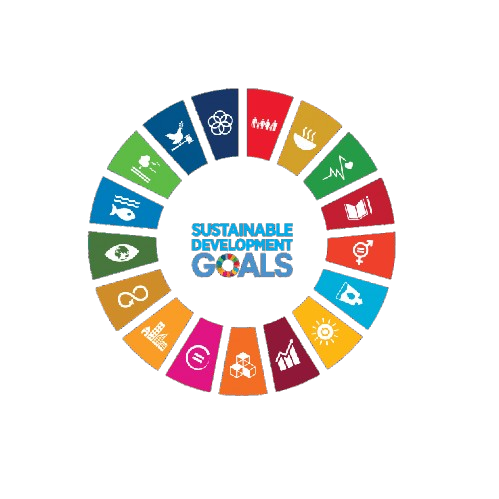
Aligned with
This conference contributes to global sustainability by aligning its research discussions and academic sessions with key United Nations Sustainable Development Goals. It fosters knowledge exchange, innovation, and collaborative engagement.
 SDG 9 — Industry, Innovation and Infrastructure
 SDG 12 — Responsible Consumption and Production
This track focuses on the latest methodologies and technologies for characterizing surface properties at the nanoscale. Emphasis will be placed on innovative techniques that enhance our understanding of surface phenomena and material behavior.
This session will explore the design principles and applications of nanostructured surfaces in various engineering fields. Participants will discuss the implications of nanoscale modifications on surface reactivity and functionality.
This track addresses the development and application of advanced coatings and thin films for improved surface performance. Topics will include novel materials, deposition techniques, and the challenges associated with scalability and durability.
This session will delve into various surface modification techniques aimed at enhancing material properties. Discussions will cover chemical, physical, and hybrid methods for tailoring surface characteristics.
This track will investigate the fundamental principles of interface chemistry and its practical applications in engineering. Participants will examine how interfacial interactions influence material performance and stability.
This session will focus on the mechanisms and implications of adsorption processes on engineered surfaces. Research findings will highlight the role of surface chemistry in adsorption phenomena and material design.
This track will explore the design and optimization of catalytic surfaces for enhanced reaction efficiency. Participants will discuss the underlying mechanisms that govern catalytic activity and selectivity.
This session will cover innovative approaches to surface functionalization aimed at achieving specific material properties. Topics will include chemical modifications, biofunctionalization, and applications in various industries.
This track will highlight the practical applications of surface engineering in industrial settings. Case studies will illustrate the impact of surface modifications on performance, longevity, and sustainability.
This session will present cutting-edge research and emerging trends in the field of surface science. Participants will discuss novel findings and their implications for future engineering applications.
This track will focus on the principles and strategies for designing chemical interfaces that optimize material performance. Discussions will include the role of interface engineering in advancing surface chemistry applications.










SNRI maintains uninterrupted academic processes in the current global situation. Participants can engage and publish through online and blended conference formats.
PLEASE READ: CLOSING ENABLED IN 20S