
(ICSCRTA - 26) | Hybrid Event
6th - 7th July 2026 |
Muharraq, Bahrain
(ICSCRTA - 26) | Hybrid Event
6th - 7th July 2026 |
Muharraq, Bahrain
Aligned with
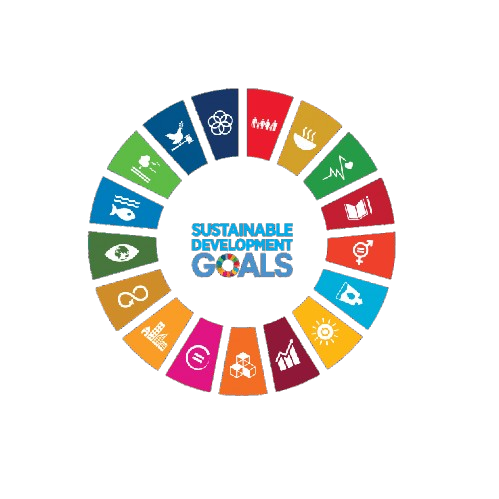
This conference contributes to global sustainability by aligning its research discussions and academic sessions with key United Nations Sustainable Development Goals. It fosters knowledge exchange, innovation, and collaborative engagement.
 SDG 3 — Good Health and Well-being
 SDG 4 — Quality Education
 SDG 9 — Industry, Innovation and Infrastructure
 SDG 16 — Peace, Justice and Strong Institutions
This track focuses on the latest breakthroughs in pluripotent stem cell research, including the mechanisms of pluripotency and differentiation. Participants will explore innovative techniques for deriving and maintaining pluripotent stem cells for therapeutic applications.
This session will delve into the generation and application of induced pluripotent stem cells (iPSCs) in regenerative medicine. Discussions will highlight the challenges faced in iPSC technology, including safety, efficiency, and ethical considerations.
This track will cover the latest developments in cell therapy, focusing on the use of stem cells for treating various diseases. Participants will discuss clinical applications, regulatory challenges, and the future of cell-based therapies.
This session will explore the intersection of tissue engineering and regenerative medicine, emphasizing strategies for creating functional tissue constructs. Topics will include biomaterials, scaffolding techniques, and the role of stem cells in tissue regeneration.
This track will examine the molecular mechanisms underlying stem cell differentiation and their implications for developmental biology. Researchers will present findings on signaling pathways and transcription factors that govern stem cell fate decisions.
This session will highlight the use of organoid models as a powerful tool for studying stem cell behavior and disease modeling. Participants will discuss advancements in organoid technology and their applications in drug discovery and personalized medicine.
This track will focus on the integration of gene editing technologies, such as CRISPR/Cas9, in stem cell research and therapy. Discussions will include ethical considerations, technical challenges, and the potential for precision medicine.
This session will explore the complex interactions between stem cells and their niche, emphasizing the molecular mechanisms that regulate stem cell behavior. Researchers will present insights into niche signaling pathways and their implications for tissue homeostasis and regeneration.
This track will investigate the role of immunomodulation in enhancing the efficacy of stem cell therapies. Participants will discuss strategies for overcoming immune rejection and promoting engraftment of transplanted stem cells.
This session will focus on the identification and characterization of stem cell markers that are critical for understanding stem cell biology. Researchers will discuss the clinical relevance of these markers in diagnostics and therapeutic applications.
This track will cover various transplantation strategies utilizing stem cells for regenerative medicine applications. Discussions will include challenges in transplantation, such as graft-versus-host disease and strategies to enhance transplant success.







SNRI maintains uninterrupted academic processes in the current global situation. Participants can engage and publish through online and blended conference formats.
PLEASE READ: CLOSING ENABLED IN 20S