(ICEERHS - 26) | Hybrid Event
5th - 6th August 2026 |
Riffa, Bahrain
(ICEERHS - 26) | Hybrid Event
5th - 6th August 2026 |
Riffa, Bahrain
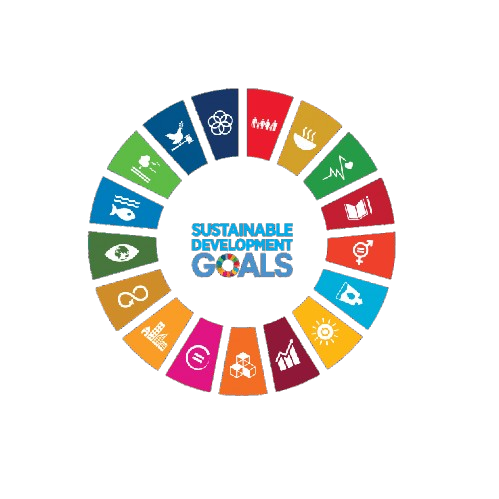
Aligned with
This conference contributes to global sustainability by aligning its research discussions and academic sessions with key United Nations Sustainable Development Goals. It fosters knowledge exchange, innovation, and collaborative engagement.
 SDG 6 — Clean Water and Sanitation
 SDG 11 — Sustainable Cities and Communities
 SDG 12 — Responsible Consumption and Production
 SDG 14 — Life Below Water
 SDG 15 — Life on Land
This track focuses on the latest advancements in ecohydraulic engineering techniques that promote river habitat sustainability. Participants are encouraged to present novel methodologies and technologies that enhance the ecological integrity of aquatic systems.
This session will explore the application of modeling tools in understanding and managing aquatic habitats. Emphasis will be placed on integrating ecological data with hydrological models to inform sustainable river management practices.
This track examines the effects of flow regulation on river ecosystems and aquatic habitats. Contributions should address both the benefits and challenges posed by flow management strategies in maintaining ecological balance.
This session invites presentations on innovative river restoration techniques and successful case studies from around the globe. Participants will discuss the effectiveness of various approaches in restoring ecological health and habitat connectivity.
This track focuses on the importance of habitat connectivity in maintaining biodiversity and ecosystem function in river systems. Discussions will include strategies for enhancing connectivity through infrastructure design and management practices.
This session will delve into the relationship between stream morphology and ecological function, emphasizing how physical characteristics influence habitat quality. Contributions should highlight research that links geomorphology with biological responses in aquatic environments.
This track addresses the role of hydraulic engineering in promoting sustainable water resource management. Presentations should focus on innovative designs and practices that balance human needs with ecological sustainability.
This session will explore the concept of environmental flows and their significance in maintaining river health. Participants are encouraged to present research that evaluates the ecological outcomes of flow regimes on aquatic ecosystems.
This track emphasizes the integration of ecosystem-based design principles in river management strategies. Contributions should demonstrate how such approaches can enhance ecological resilience and sustainability in river systems.
This session focuses on the interplay between channel hydraulics and habitat dynamics in riverine environments. Presentations should address how hydraulic conditions affect habitat availability and species distribution.
This track will highlight effective conservation strategies aimed at protecting and restoring aquatic ecosystems. Participants are invited to share insights on policy frameworks, community engagement, and scientific approaches to habitat conservation.







SNRI maintains uninterrupted academic processes in the current global situation. Participants can engage and publish through online and blended conference formats.
PLEASE READ: CLOSING ENABLED IN 20S