
(ICRBSNRF - 26) | Hybrid Event
1st - 2nd July 2026 |
Dhaka, Bangladesh
(ICRBSNRF - 26) | Hybrid Event
1st - 2nd July 2026 |
Dhaka, Bangladesh
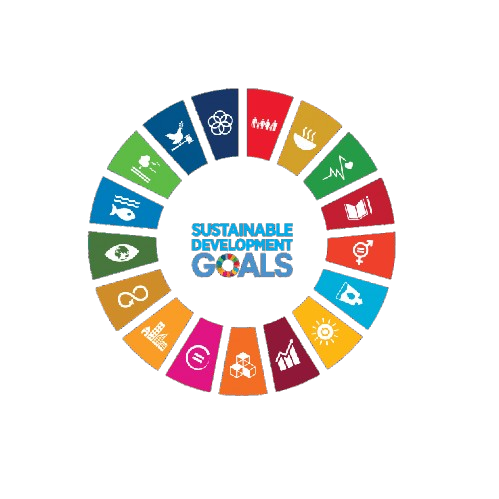
Aligned with
This conference contributes to global sustainability by aligning its research discussions and academic sessions with key United Nations Sustainable Development Goals. It fosters knowledge exchange, innovation, and collaborative engagement.
 SDG 3 — Good Health and Well-being
 SDG 4 — Quality Education
 SDG 9 — Industry, Innovation and Infrastructure
This track will explore the latest discoveries in RNA splicing, focusing on the molecular mechanisms that govern splice site selection and the role of splicing factors. Participants will discuss how alternative splicing contributes to proteomic diversity and its implications in health and disease.
This session will delve into the diverse roles of noncoding RNAs in cellular processes, including gene regulation and chromatin remodeling. Researchers will present findings on the functional implications of various noncoding RNA classes, such as lncRNAs and circRNAs.
This track will focus on the biogenesis and functional roles of microRNAs in developmental processes and their dysregulation in diseases. Presentations will highlight the potential of microRNAs as therapeutic targets and biomarkers.
This session will investigate the intricate interactions between RNA and proteins, emphasizing their significance in RNA metabolism and function. Researchers will share novel techniques for studying RNA-protein complexes and their implications for cellular regulation.
This track will examine the regulatory mechanisms that govern transcriptome dynamics, including transcriptional and post-transcriptional modifications. Discussions will center on how these processes influence gene expression and cellular responses.
This session will highlight the mechanisms underlying alternative splicing and its impact on gene expression and protein function. Researchers will present case studies that illustrate the role of alternative splicing in various biological contexts.
This track will focus on the structural and functional aspects of ribonucleoproteins, emphasizing their roles in RNA processing and regulation. Participants will discuss the implications of ribonucleoprotein dynamics in cellular homeostasis.
This session will explore the various RNA processing pathways, including capping, polyadenylation, and splicing, and their coordination during gene expression. Presentations will highlight how disruptions in these pathways can lead to disease.
This track will investigate the emerging roles of functional RNAs in cellular processes that extend beyond traditional gene expression paradigms. Researchers will discuss the implications of these findings for our understanding of RNA biology.
This session will focus on the dynamic nature of RNA within cells, including its localization, stability, and turnover. Participants will present innovative methodologies for studying RNA dynamics in live-cell systems.
This track will explore the mechanisms of post-transcriptional regulation, including RNA editing, degradation, and translational control. Discussions will emphasize the biological significance of these processes in gene expression regulation.










SNRI maintains uninterrupted academic processes in the current global situation. Participants can engage and publish through online and blended conference formats.
PLEASE READ: CLOSING ENABLED IN 20S