
(ICMEDOH - 26) | Hybrid Event
5th - 6th August 2026 |
Bandar seri begawan, Brunei Darussalam
(ICMEDOH - 26) | Hybrid Event
5th - 6th August 2026 |
Bandar seri begawan, Brunei Darussalam
Aligned with
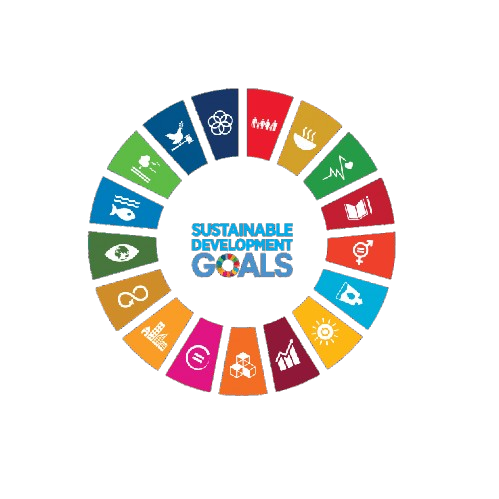
This conference contributes to global sustainability by aligning its research discussions and academic sessions with key United Nations Sustainable Development Goals. It fosters knowledge exchange, innovation, and collaborative engagement.
 SDG 9 — Industry, Innovation and Infrastructure
 SDG 11 — Sustainable Cities and Communities
 SDG 12 — Responsible Consumption and Production
 SDG 13 — Climate Action
 SDG 14 — Life Below Water
 SDG 15 — Life on Land
This track focuses on the complex interactions within marine ecosystems, emphasizing the role of biodiversity in maintaining ecosystem health. Researchers are invited to present studies on food webs, trophic interactions, and the impacts of habitat degradation.
This session will explore the multifaceted impacts of climate change on marine environments and their ecosystems. Topics may include shifts in species distributions, alterations in nutrient cycling, and the resilience of marine habitats.
This track aims to discuss innovative conservation strategies that enhance marine biodiversity and ecosystem services. Papers addressing the effectiveness of various management approaches and policy frameworks are particularly welcome.
This session will highlight the use of ecological modeling tools to understand and predict marine ecosystem dynamics. Contributions that integrate data from various sources to inform management decisions are encouraged.
This track will examine the sources, types, and impacts of marine pollution on ocean health. Researchers are invited to present innovative solutions and mitigation strategies to address pollution in marine environments.
This session will focus on sustainable fisheries management practices that ensure the long-term viability of marine resources. Contributions that analyze the socio-economic impacts of fisheries policies are highly encouraged.
This track will explore methodologies for assessing the resilience of marine ecosystems to anthropogenic pressures and natural disturbances. Papers that provide case studies or frameworks for resilience assessment are welcome.
This session will investigate the ecological and economic impacts of invasive species on marine ecosystems. Contributions that discuss management strategies to mitigate these impacts are particularly relevant.
This track will showcase the latest advancements in monitoring technologies used to assess marine ecosystem health. Topics may include remote sensing, underwater robotics, and data analytics for ecosystem monitoring.
This session will address the various ways human activities affect marine habitats and their associated biodiversity. Papers that evaluate the consequences of urbanization, tourism, and industrial activities on marine ecosystems are encouraged.
This track will focus on strategies and case studies related to the restoration of degraded marine ecosystems. Contributions that highlight successful restoration projects and their ecological outcomes are particularly welcome.








SNRI maintains uninterrupted academic processes in the current global situation. Participants can engage and publish through online and blended conference formats.
PLEASE READ: CLOSING ENABLED IN 20S