
(ICEASY - 26) | Hybrid Event
5th - 6th August 2026 |
Bago, Burma
(ICEASY - 26) | Hybrid Event
5th - 6th August 2026 |
Bago, Burma
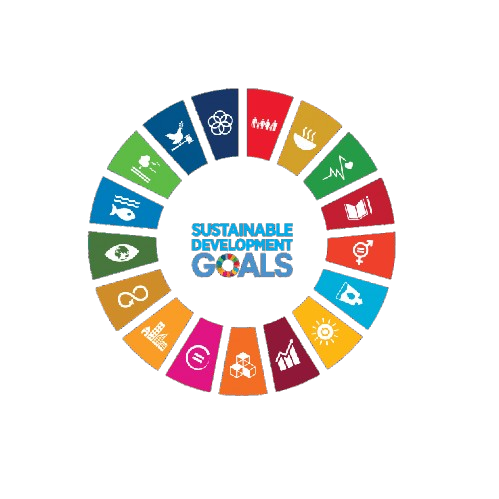
Aligned with
This conference contributes to global sustainability by aligning its research discussions and academic sessions with key United Nations Sustainable Development Goals. It fosters knowledge exchange, innovation, and collaborative engagement.
 SDG 4 — Quality Education
 SDG 8 — Decent Work and Economic Growth
 SDG 10 — Reduced Inequalities
 SDG 11 — Sustainable Cities and Communities
 SDG 12 — Responsible Consumption and Production
 SDG 13 — Climate Action
 SDG 14 — Life Below Water
 SDG 15 — Life on Land
 SDG 16 — Peace, Justice and Strong Institutions
This track explores the intricate relationships between cultural practices and ecological systems. It aims to understand how cultural adaptations influence environmental sustainability amidst climate change.
Focusing on the role of indigenous practices in resource management, this track highlights traditional ecological knowledge as a vital component of sustainability. Participants will discuss case studies that illustrate successful integration of indigenous wisdom in contemporary conservation efforts.
This session investigates the intersections of environmental justice and community resilience in the face of climate change. It seeks to address how marginalized communities adapt and respond to environmental challenges.
This track examines the dynamics of human-environment interactions within urban contexts, focusing on sustainability practices. Discussions will center on how urbanization affects ecological systems and cultural identities.
Exploring the impacts of globalization on local ecological practices, this track will analyze how global forces shape environmental policies and cultural responses. It aims to identify pathways for sustainable development that respect local traditions.
This session focuses on innovative adaptation strategies employed by communities facing climate change. Participants will share insights on effective practices that enhance resilience and sustainability.
This track investigates the relationship between conservation efforts and the preservation of cultural heritage. It will highlight how cultural values can inform and enhance conservation strategies.
Focusing on the role of ecological anthropology in understanding biodiversity, this session will explore human impacts on ecosystems. Participants will discuss methods for promoting biodiversity through anthropological insights.
This track examines the integration of traditional practices into sustainable development frameworks. It aims to highlight the importance of cultural heritage in achieving long-term ecological sustainability.
This session will explore the resilience of indigenous communities in adapting to environmental changes. Discussions will focus on the role of cultural practices and community governance in fostering resilience.
This track addresses the ethical dimensions of environmental policy-making through an anthropological lens. It aims to foster dialogue on the moral responsibilities of societies towards ecological sustainability.












SNRI maintains uninterrupted academic processes in the current global situation. Participants can engage and publish through online and blended conference formats.
PLEASE READ: CLOSING ENABLED IN 20S